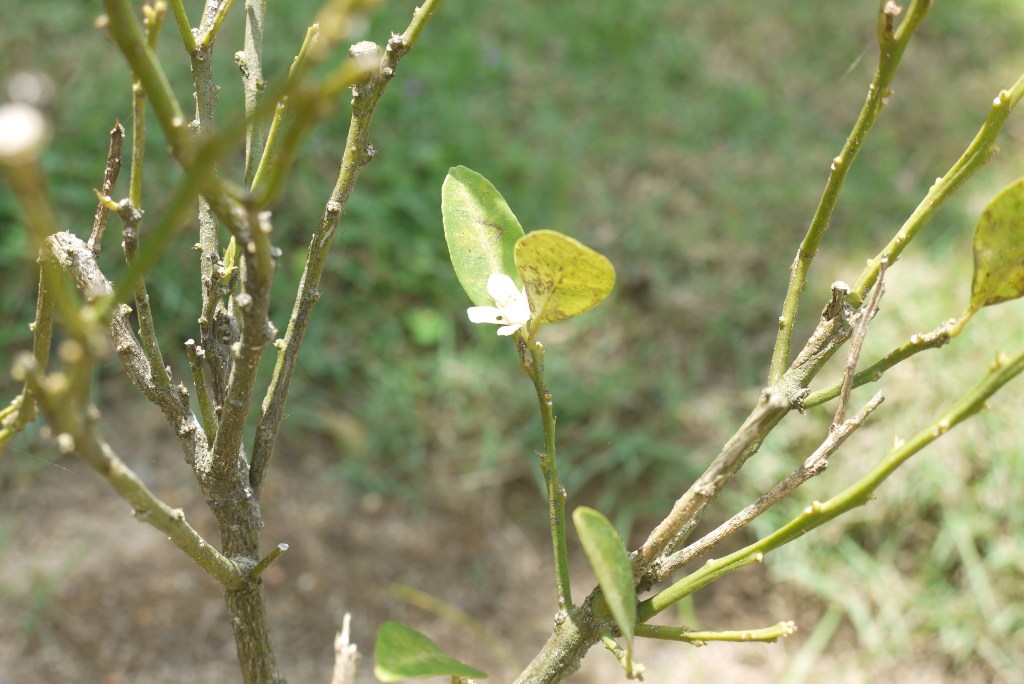
A limau nipis plant with white flowers. Photo by Goh Shang Ming
Common name: Key Lime
Malay name: Limau Nipis
Scientific name:Citrus aurantifolia
Conservation status: Cultivated, Naturalised, Introduced (northern India and Myanmar)
Description
A tree that reaches up to 5 m tall. Stems are spiny. Leaves are pointed. It bears clusters of white, fragrant flowers. Fruits are round and turn yellow when ripe.
The white flower of limau nipis. Photo by Goh Shang Ming
Habit: Perennial tree
Cultivation: It is planted by seeds, cuttings or air-layering
Ecological function: The flowers attract pollinators. It can be used as a hedge plant.
Pollinator: Insects, especially honeybees
Soil: Loamy soils. It tolerates clayey soils
Moisture: Moist, well-drained soils
Shade: No shade
Use: Fruits are eaten raw, cooked or used as flavouring. The oils extracted from fruit peels, leaves and seeds are used for soap-making.
A small durian fruit with its green, thorny husk. Photo by Goh Shang Ming
Common name: Durian
Malay name: Durian
Scientific name:Durio zibethinus L.
Conservation status: Cultivated, Native to Malaysia
Description
A large tree that grows up to 25-40 m tall. It has aboveground roots. Tree crown is large and irregular. Leaves are pointed and alternately arranged. The upperside of leaves is green and glossy while the underside of leaves is silvery or bronze. It bears clusters of bright yellow flowers on branches. The flowers bloom at night and emit a strong odour. Fruits are coated with a hard, thorny husk which is greenish brown.
A large durian tree standing at the roadside. Photo by Goh Shang Ming
The upperside and underside of leaves are different in colour. Photo by Goh Shang Ming
Habit: Perennial tree
Cultivation: It is planted by seeds or grafting
Ecological function: The fruits of this tree attract wildlife.
Pollinator: Bats
Soil: Sand, loam, clay
Moisture: Moist, well-drained, fertile soils
Shade: No shade
Use: Ripe fruits are eaten raw or cooked. Seeds, flowers, young leaves and shoots are cooked.
A clump of banana plants growing near a drain. Photo by Lee Li Chong
Common name: Banana
Malay name: Pisang
Scientific name:Musa sapientum L.
Conservation status: Cultivated, Native to Malaysia
Description
Somewhat palm-like, this plant grows up to around 3 m tall without a woody trunk. The leaves sheaths are spirally arranged and contracts into sturdy midribs, which divide the leaf blades into two halves. When it is flowering, the plant forms a complex structure that includes the flowers that will develop into fruits.
A cluster of bananas that are partially hidden by leaves of the plant. Photo by Goh Shang Ming
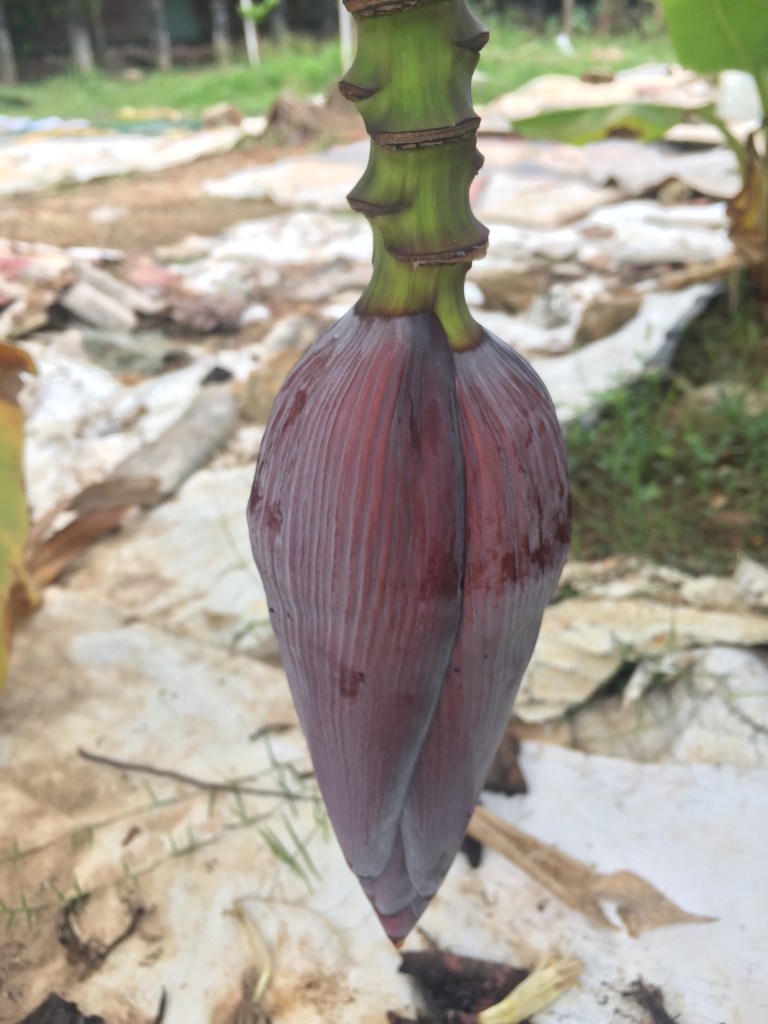
A flowering head of banana plant. Photo by Goh Shang Ming
Habit: Perennial herbaceous plant
Cultivation: It is planted by seeds, underground stems or suckers (secondary shoots that give rise to new plants)
A new sucker growing next to the mother plant. Photo by Goh Shang Ming
Ecological function: As it flowers and fruits all year round, the flowers provide constant source of food for pollinators while the fruits and seeds feed the wildlife. The leaves of this plant provide shelter or materials for nests or roosting wildlife. Its root system converts minerals in soil into forms usable by other plants.
Pollinator: Birds and bats for wild bananas
Soil: Sand, loam, clay, organic soils
Moisture: Moist, well-drained, fertile soils
Shade: No shade, partial shade
Use: The ripe fruits and blossoms are edible. The leaves are used for packing, wrapping and decorative purposes.
A tree-like herb that grows straight and usually have no branches. Leaves are clustered towards the top of plant. Leaves are lobed, smooth and with toothed margin. Flowers are whitish, have five petals. Fruits are oblong, yellow to greenish-orange in colour.
A papaya tree with its umbrella-shaped crown. Photo by Goh Shang Ming
Habit: Perennial herbaceous plant
Cultivation: It is planted by seeds
Ecological function: The flowers attract pollinators. Its fruit is food for birds. This tree is suitable for tropical agroforestry systems
Pollinator: Bees, moths, wind
Soil: Organic soils
Moisture: Well-drained soils
Shade: No shade
Use: The unripe fruit is made into pickles while the ripe fruits are eaten raw or made into dessert.
A couple of flowering trumpet trees along the roadside. Photo by Goh Tay Hock
Common name: Trumpet Tree
Malay name: Pokok Trompet Mawar
Scientific name: Tabebuia pentaphylla
Conservation status: Cultivated, Naturalised, Introduced (Central & South America)
Description
A medium-sized or large tree that sheds leaves seasonally. There are five pointed leaves per leaf stalk. Flowers are pink or white, trumpet-shaped and five-petaled. Flowering is triggered by dry season. Produces long, slender fruits that split open when mature.
Habit: Perennial tree
Cultivation: It is planted by seeds,stem cuttings or air-layering
Ecological function: Provide shade
Pollinator: –
Soil: Sand, loam, clay
Moisture: Well-drained, fertile soils
Shade: No shade
Use: Ornamental, timber
Interesting fact: In Malaysia, this tree is known as the “Cherry Blossoms of Penang” after its pink flowers which are much like the cherry blossoms of Japan. Other local nicknames for the plant include “tissue paper tree”, referring to its thin petals. Flowers form a spectacular pink carpet on the ground around the tree when it falls.
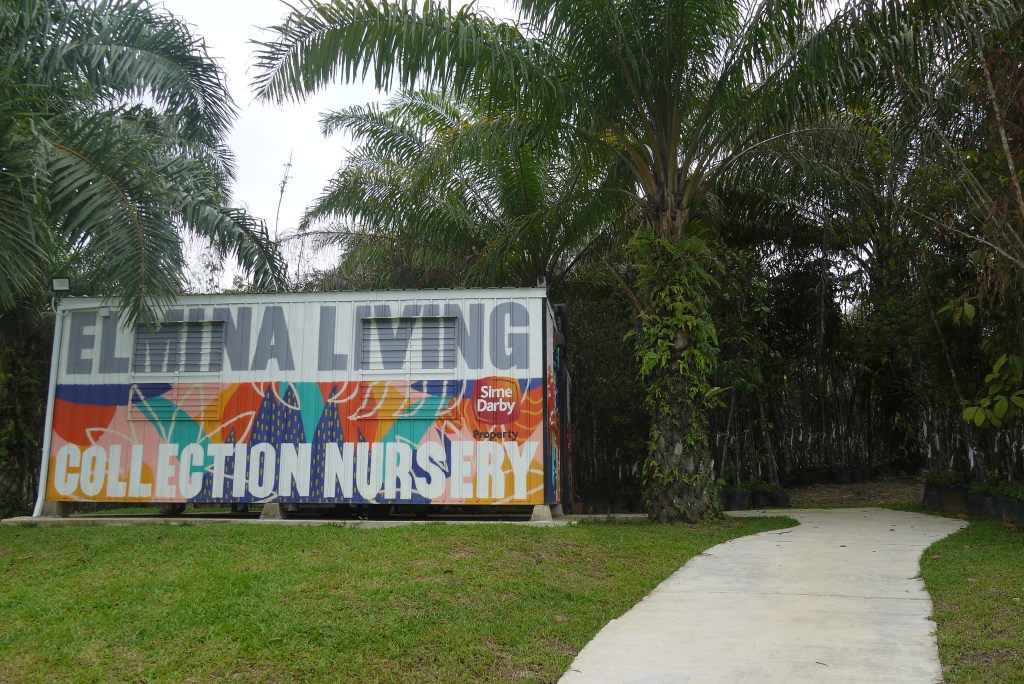
A front view of Elmina Rainforest Knowledge Centre (ERKC)
The Tropical Rainforest Conservation & Research Centre (TRCRC) operates the Elmina Rainforest Knowledge Centre (ERKC) in the City of Elmina of Sime Darby Properties. Together with the Endangered, Rare and Threatened (ERT) Native Tree Nursery, ERKC is located within the 300-acre Central Park in the City of Elmina and is connected to the 2,700-acre Subang Lake Dam Forest Reserve.
From its city base, ERKC aims to connect communities within and beyond the City of Elmina to Malaysia’s natural heritage. The centre is to be used for environmental education, conservation, research and development, eco-tourism and other nature-related activities. There will be workshops and hands-on interactive classes for residents, students and the public to learn about tropical rainforests, wildlife and tree planting.
Meanwhile, the ERT Tree Nursery aims to nurture up to 100,000 tree species listed as ‘threatened’ in the International Union for Conservation of Nature (IUCN) Red List. The nursery is a living collection of native trees. The trees are grown from seeds sourced from various forest reserves and private lands. The entire process of sourcing and rearing trees is part of the nursery’s conservation and reforestation endeavours, beginning with seed collection. The ground team (also known as G-team) of TRCRC will look for suitable locations with mature trees to secure the seed source. As the trees flower and fruit, the team collects seeds and bring them to the nursery. The seeds are then germinated and kept as seedlings in TRCRC’s living collection nurseries. Seedlings are categorised, sorted and labelled.
Behind the signboard and oil palms are young trees of endangered species
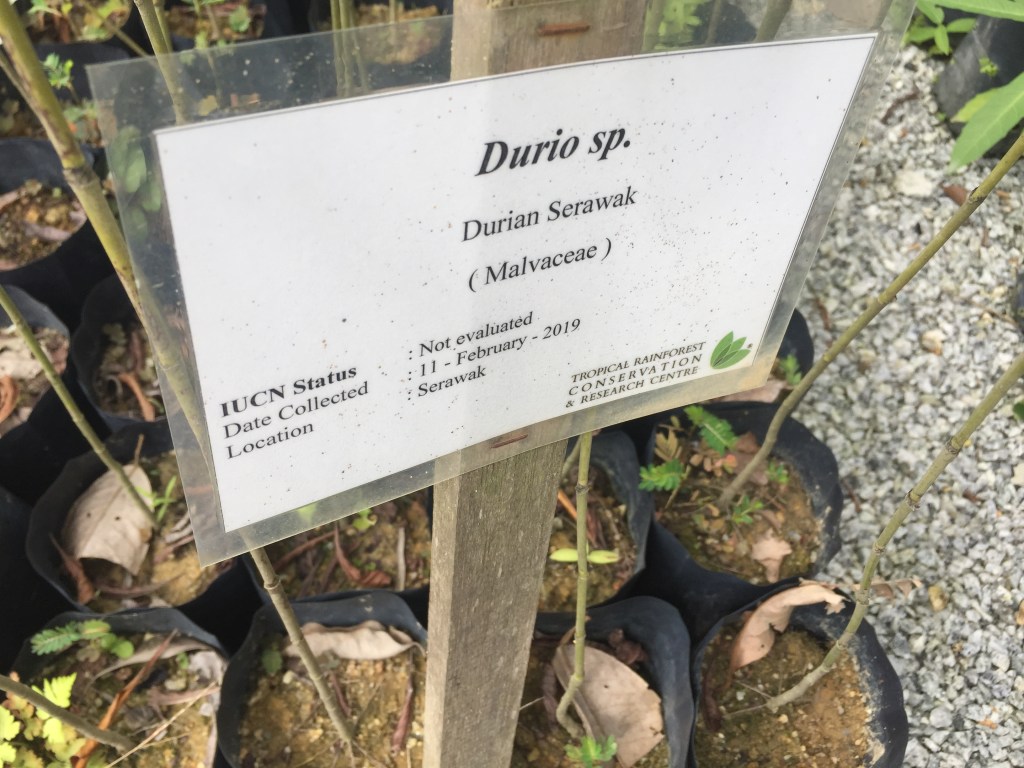
Seedling labels include name, conservation status, location and date of collection.
Since TRCRC focuses on conservation of dipterocarp species (one of the main tree species group that makes up Malaysia’s lowland rainforests), there are many dipterocarp trees and seedlings in the nursery. One of the examples is the keruing bulu (Dipterocarpus baudii) which is currently listed as ‘vulnerable’ in the wild. Besides the dipterocarps, there are other native endangered species such as merbau (Intsia bijuga). Some species are endemic, that is, their populations are solely confined to a specific region or a certain type of environment. Many of these trees lose their habitats when forests are cleared. Some of these trees are rescued and preserved, eventually to be replanted in their place of origin to restore their populations and reconnect forest fragments.
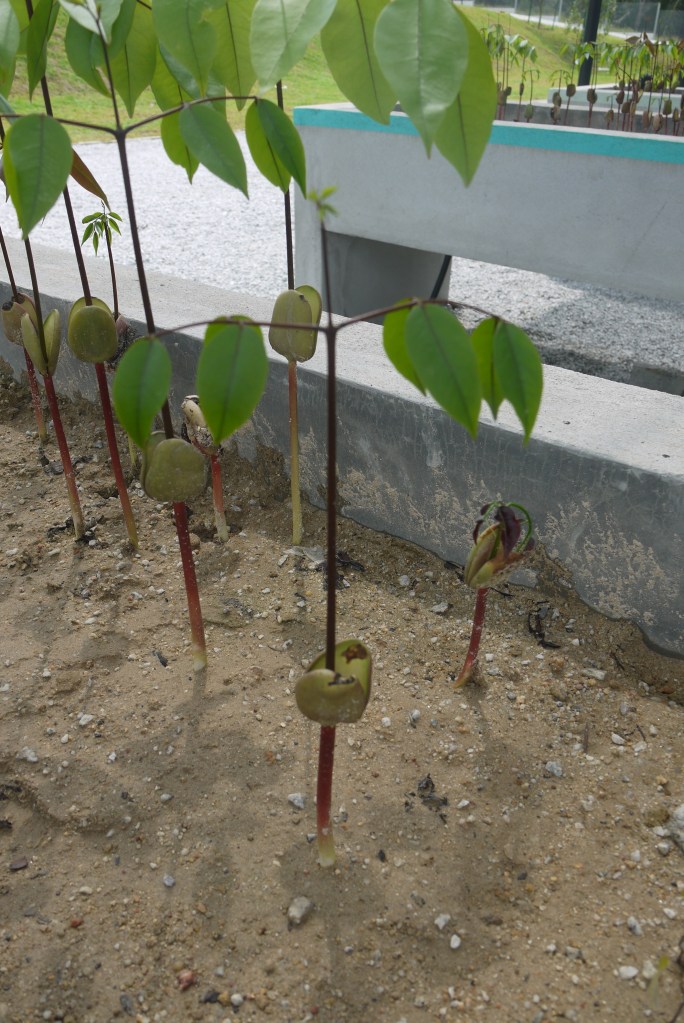
Seedlings of merbau (Intsia bijuga). The seed coat of this tree is hard and needs to go through a process of scarification to promote germination.
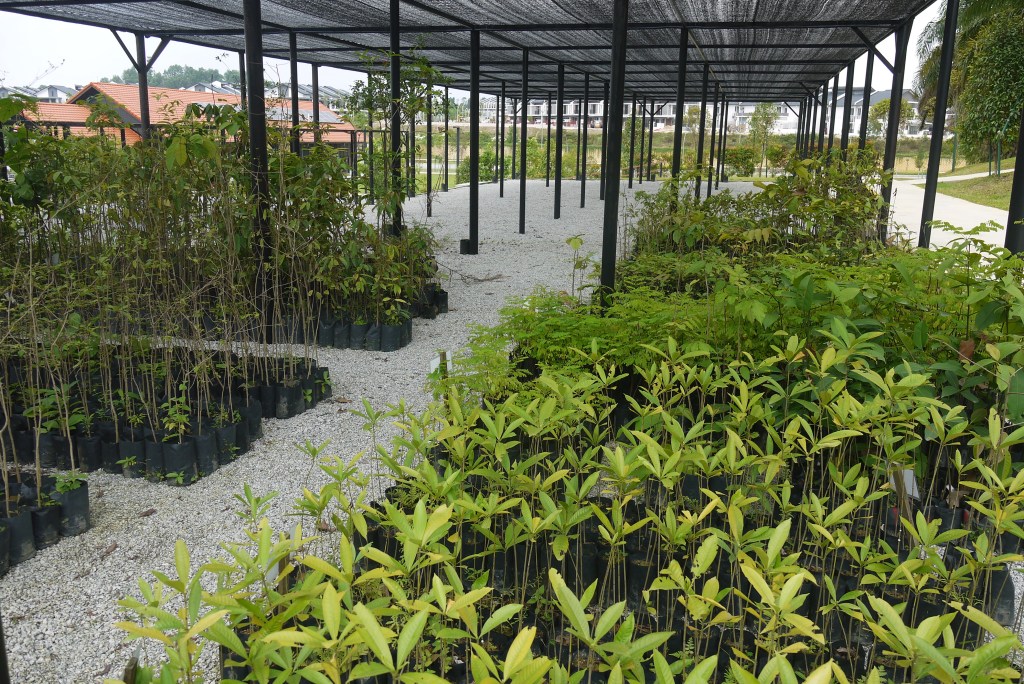
The nursery not only houses endangered trees but also fast-growing pioneer tree species. These fast-growing trees help to create a nursing canopy in areas earmarked for reforestation. The existence of a canopy enables other trees to establish, especially those that require shade when they are young. There are also wild fruit trees such as wild durian (Durio sp.), malay apple (Syzygium malaccense) and Terengganu cherry (Lepisanthes alata). These trees provide food for animals in the forest.
Seedlings of Terengganu cherry, which is also known as Rambai istana
Seedlings of wild durian
The trees in the nursery will eventually be used for forest restoration. The selection of species for restoration depends on land conditions, existing species and the availability of tree stocks. A preliminary study of the reforestation site is carried out to create a planting plan. Replanting effort involves a wide range of stakeholders including government agencies, other environmental NGOs, private sectors and local communities. One of TRCRC’s ongoing projects is Nestle Malaysia’s Project RELeaf — a reforestation initiative that aims to plant three million trees in Sabah and Peninsular Malaysia in the next three years.
A collection of wild fruit trees and fast-growing seedlings in the nursery
With TRCRC’s knowledge, expertise and experience, ERKC will be a great place to learn about the dipterocarp trees in Malaysia’s tropical rainforests, and most importantly, ways to protect and conserve them.
The word ‘pond’ refers to a body of water that is usually shallow (no more than 2m deep) and smaller than a lake. Unlike a stream or a river, a pond is enclosed. Therefore, pond water is always stagnant. Natural ponds are filled by rainwater or underground springs and there are also man-made ponds.
Despite its small size, a pond plays an important role in maintaining ecosystem functions and supporting the biodiversity of an area. A pond is home to aquatic animals like shrimps and fishes, and smaller wildlife like beetles, water striders, and snails. It also attracts water-loving creatures such as dragonflies, damselflies, frogs and toads. These animals lay their eggs in the pond, where their young hatch and mature.
Many pond animals feed on debris or fresh organic materials like leaves of plants. Some predatory pond wildlife prey on other smaller animals such as tadpoles and insect larvae. Terrestrial animals like birds will also visit a pond for drinking or bathing.
A dragonfly preys on other insects such as mosquitoes. Photo by Siti Syuhada
Aside from animals, there are various plants that grow in and around a pond. These plants are good for the pond. For example, the mosquito ferns (Azolla sp.) and the Mexican sword plant (Echinodorus palifolius). They absorb nutrients from pond water or sediment. In turn, these water plants supply oxygen to the pond, inhibit algae growth, purify pond water and provide food, shade and hiding places for wildlife.
There are also many other pond plants, categorised according to their growing zone. Plants that grow at the edge of pond are known as marginal plants. The floating plants, for example, duckweed, have tiny roots that absorb nutrients directly from water. Some deep water plants such as water lilies have leaves on the water surface and roots that are buried in the mud at the bottom of the pond. There are also submerged plants that are completely under water, like the Indian swamp weed (Hygrophila polysperma), but they do need some exposed surfaces of pond to receive sunlight and carry out photosynthesis.
Floating leaves and flower of water lily. Photo by Goh Shang Ming
There is so much going on in ponds. The next time you find a pond, take a closer look to see all the life it can hold.
from Biodiversity Gardens Capacity Building Workshop with Adam Kamal, TRCRC (Project Consultant)
Adam Kamal is a conservation biologist working with Tropical Rainforest Conservation and Research Centre (TRCRC). To him, conservation is an interdisciplinary science that require experts from different backgrounds.
History of wilderness in Peninsular Malaysia
The history of wilderness starts out with a very long period of stability, that lasted for around 150 million years, and is followed by a short period of time of tragic land-use. Looking at the Malaysian rainforest, it is a wonderfully diverse and complex ecosystem. 2,830 tree species are found in several different ecosystems in Malaysia. The main ecosystem is the lowland dipterocarp forest which once blanketed 69% of Peninsular Malaysia.
However, the extent of forest cover is not the same today. So, what happened to the wilderness?
Land use in recent history has been a series of chaotic and turbulent events. The original 69% of lowland dipterocarp forest has now shrunk to a mere 28% and only 6.8% of primary rainforest (undisturbed) still exists. Aside from protected forests in Royal Belum State Park, Taman Negara and Endau Rompin, the rest of the original forest cover is in some sort of flux as we extract resources from the forest. Conservation biology is about finding the balance in the use of those resources, which is an incredibly complex endeavour given the ecology of these forests.
In response to emerging demands for sustainable forest management, the logging industry has started to adopt more holistic practices in logging. A lot of these practices originate from temperate countries. For example, selective timber management in which loggers remove certain patches of the forest, with the assumption that the cleared area will recover quickly by itself. However, the lowland dipterocarp forest is very different from the temperate forest because of its long period of stability and evolutionary history. Over millions of years, tropical rainforests developed a very interesting disturbance regime by which the natural cycle of death and growth occurs.
The tropical rainforest regenerates by having a canopy-gap regime. There are trees which thrive for hundreds of years or even up to thousands of years; for example, the Borneo Ironwood (Eusideroxylon zwageri) and chengal (Neobalanocarpus) tree. While these emergent trees tower over the rest of the forest, there are lots of smaller trees in the understory, waiting for an opportunity to shoot up. When the emergent trees experience destructive events (for example, a lightning strike or termite attack) and fall, a gap will form and allow sunlight and water to penetrate. The understory trees will then compete and grow to become the new emergent trees.
The understory trees that wait for opportunity to shoot up. Photo by Goh Shang Ming
But, when we chop away many trees at once, we kill off all understory trees that could have grown to fill the canopy gap. We also disturb the soil. When the patch of cleared area is very big or is far from a source of new seeds, the soil is left without cover. This will cause the land to dry up and after being exposed to the sun for too long, the soil will become poor, laterite soil. Also, when it rains, the rainwater will result in a severe leaching effect: all the resources and nutrients that were held within the soil will get washed away. It takes a long time to turn the bare, laterite soil into a secondary forest or belukar. The transition could take ten years or more, not to mention the time needed to form a primary forest.
The regeneration of forests depends largely on underground seed banks. Almost all seeds are recalcitrant, that is, they do not tolerate drying and freezing, or are difficult to germinate. Few are able to germinate and get big, because the seeds are also easily attacked by fungus and fruit-eating animals or crushed by animals or human. When there are no seeds in the soil, other fast-growing plants will invade the forest. The False Bracket Fern (Dicranopteris linearis) is a notorious example. This plant can spread and dominate in a cleared forest, and modify the environment so that it can continue to thrive. As a result, the forest is kept from re-establishing, or becomes degraded as the trees are no longer able to grow successfully.
History of urban landscaping in Malaysia
Since we have lost so much of our forest, one of the ways of recovering them is bringing these forest species to our concrete jungle. This did not happen in the past since urban landscaping in Malaysia has historically focused on the aesthetic qualities of trees. This is reflected in the design of gardens, parks, streets, etc that we have today.
There are three main phases in the history of urban tree planting development that start all the way back in the era prior to independence.
Phase 1: The Colonial Era
The British chose some interesting trees to plant. They brought in the Angsana (Pterocarpus indicus), a gorgeous legume tree with a beautiful papery bark. However, this species was propagated and planted everywhere using stem cuttings from a few parent trees, resulting in little genetic diversity among the trees. As a result, the tree populations were vulnerable to attacks by pests such as Neolithocolletis pentadesma, the Angsana leaf miner, and pathogens like the fungus Fusarium oxysporum. Fusarium oxysporum was behind the Fusarium Wilt epidemic which wiped out a lot of Angsana trees. Their popularity faded in the 1990s.
This would have been a great time to replace the Angsana with other rainforest trees. However, this did not happen. Many native trees were planted in the 1920s and 1930s, but not the rainforest species. Instead, a lot of the selected trees were coastal species. These trees are tough. They can tolerate salt, strong winds and unfavourable weather. Hence, they require little maintenance. Some of the most common species included Kelat jambu (Syzigium grande), Tulang daing (Callerya atropurpurea), and yellow flame (Peltophorum pterocarpum). These tree species are still popular and you can see them almost everywhere on the road today.
Later, landscapers started introducing other, non-native tree species as well. Some examples of the species are Cassia fistula, Swietenia macrophylla, and Khaya senegalensis. The last two species are known as mahogany trees, and are very common in Malaysia. These non-native trees were planted with the intention of quickening the revegetation process in harsh urban areas. However, they do cause some problems, especially Khaya senegalensis, because of their root systems. Since the tree roots are not well adapted to the thin tropical soils, they tend to fall easily.
The British also established public parks and botanical gardens in cities. Taiping Lake Gardens, Kuala Lumpur Lake Garden and Penang Botanical Garden are some of the historical gardens that were built during the colonial era. These green spaces served as recreation sites for the public. However, they were often landscaped to be primarily of aesthetic value.
Phase 2: Dawn of greening programs
A transition came about after Malaysia’s independence. The initial program ‘‘No Road Without Trees’’ was developed to bring greenery into cities via extensive tree planting and landscaping along the roadsides. Again, the trees were selected for their aesthetic values. Some examples include Angsana, mahogany, Samanea saman, Cinnamomum iners, Delonix regia, Mimusop elengi, Lagerstroemia specios. Some of these trees are non-native, while the native ones are either coastal or belukar (secondary vegetation) species.
The City Hall classified five areas of interest in the tree planting program:
roadside planting
planting in public parks and open spaces
planting along highways and expressway
planting within industrial areas & housing estates
planting or landscaping within major developments in the city center
Some tree selections, for example, the teak trees (Tectona grandis) along highways may not have been good choices as these trees do not grow well in such environments, and thus are not suitable for highway planting.
Phase 3: Towards a Garden Nation
This development program is a good start to bringing back forest species. There have been laws and guidelines made since 1995, such as the Tree Preservation Order from the Town and Country Planning Act, 1995, and the National Landscape Guidelines leading to this program. The program involved not only governmental agencies but also private sectors and the public. Tree-planting activities have been carried out nationwide.
Issues and Challenges
The emphasis on landscape aesthetic in plant selection results in neglect of native forest species. Also, Tree Preservation Act is poorly enforced. Some roadside trees are damaged by vehicles or construction equipment. The trees may not die immediately, but they slowly decline and eventually fall.
Improper pruning and care is another factor that causes tree mortality when citizens and tree planters lack adequate knowledge in tree maintenance.
Biology of Native Trees
To understand the trees in Malaysia, we have to learn about their growth habits and relationships with other organisms. The Tropical Rainforest Conservation and Research Centre (TRCRC) focuses on dipterocarp trees. These trees normally have a gigantic structure. They have unique branching and leaf patterns. They also have interesting relationships with members of the same species and with other species, especially fungus.
There is a type of fungus known as mycorrhizal fungus which develops a two-way relationship with the dipterocarp trees. As the trees shed leaves and provide shade, the soil underneath remains moist and cool. Such soil conditions promote proliferation of mycorrhizal fungi. The fungi reside on the root surface or within the root cells of dipterocarp trees. They absorb any available nutrients from the surrounding soil and send the nutrients to the trees. In return, the trees pay with sugars that they produce during photosynthesis.
When we want to bring native trees to our cities, we have to consider the relationships of these trees with other organisms in their original habitat. The existence of these mutualistic partners is crucial for the survival and development of the trees.
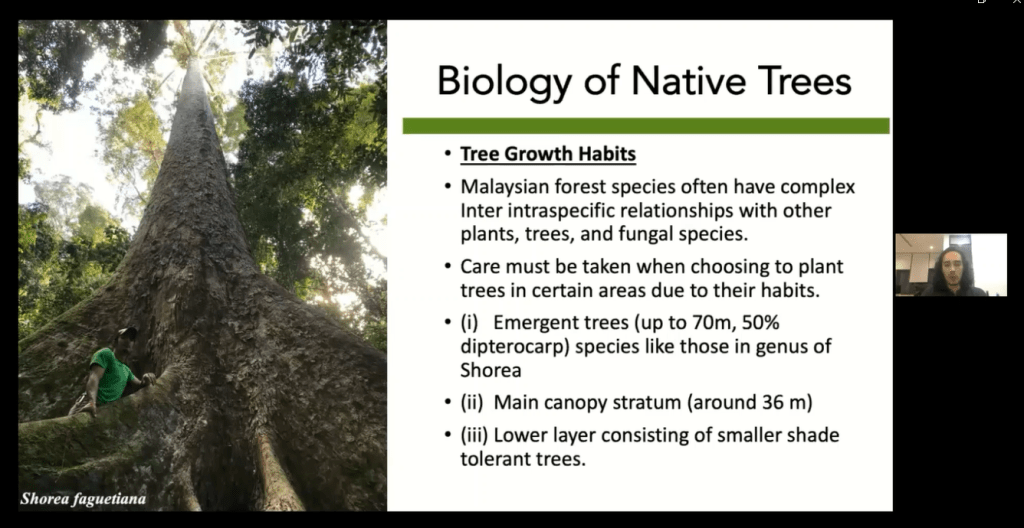
Dipterocarps also establish stratified relationships with other tree species in the forest. Each of them occupies a specific position in a forest. They are either:
emergent trees,
main canopy stratum, or
lower layer
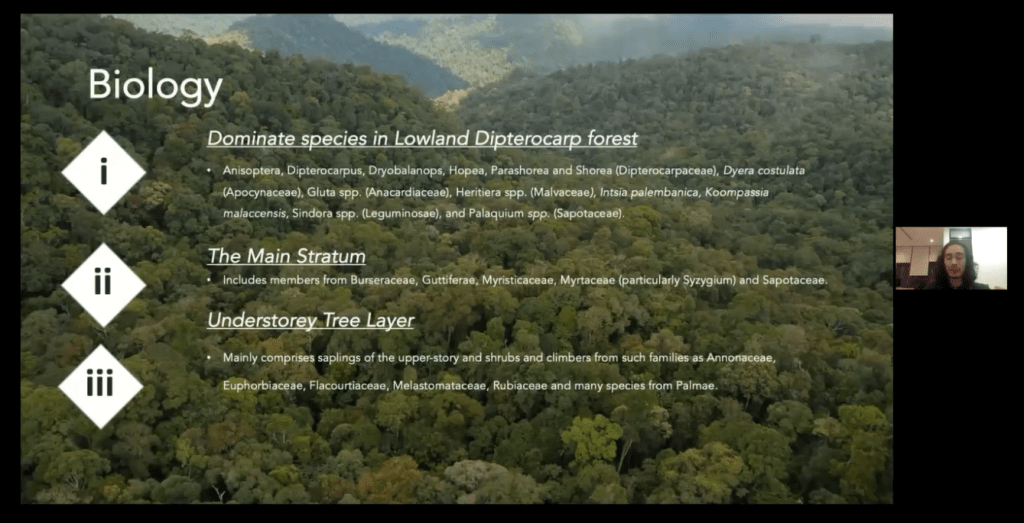
The lower layer comprises shade-tolerant trees and saplings of the emergent trees and main stratum. The seeds that successfully germinate grow into small trees of around 1 to 2 metres. They will be at the lower layer until there is a canopy gap to fill up. When we go into secondary forests, we can sometimes see post-logging remnant trees. 20 years later, the initially 2 metre remnants grow into 30 m gigantic, mature emergent trees.
There are many species present at the lower layer of primary rainforest. Some of them belong to families like Annonaceae, Euphorbiaceae, Flacourtiaceae, Melastomataceae, and Rubiaceae. However, the dominant species are palms and bamboos. In belukar forest, where there is a general lack of shading from an upper story layer, these palm climbers receive plenty of sunlight and grow abundantly.
The height of the main canopy stratum is around 36 m. This layer forms a green blanket over the soil. The trees at the main stratum come from a variety of families, for example, Burseraceae, Guttiferae, Myristicaceae, Myrtaceae (particularly Syzygium), and Sapotaceae.
The emergent layer is up to 70 m tall and half of the trees at this layer are dipterocarps. Once a tree secures a suitable place to grow, it will keep its saplings around this particular spot as there are already beneficial underground microorganisms that can support tree growth. There are also trees from other families such as Dyera costulata from the Apocynaceae family, Koompassia malaccensis from the Leguminosae family, etc.
Since a forest consists of multiple layers and species, arranging plants in a similar way will make green spaces look more natural. This is a point to consider when planning the green spaces of a city.
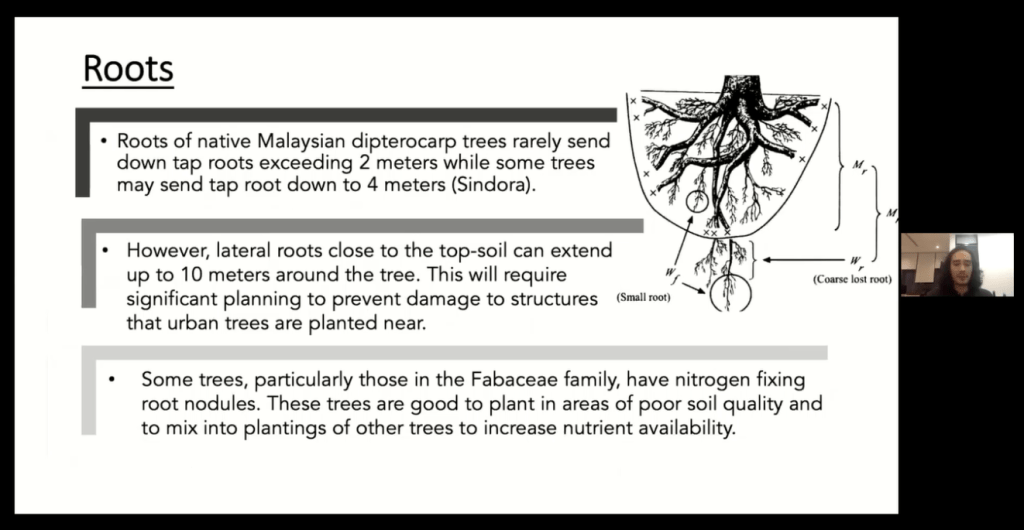
As we walk in the city, we always see tree roots that are physically damaged. The roots spread out and cause cracks, punctures etc. This is because tropical soils are fairly poor in nutrients. The cycling and retention of nutrients take place on top of the soil. Therefore, the roots of tropical trees, for example, dipterocarps, do not normally grow beyond 2 metres deep. However, they extend their lateral roots up to 10 metres around the tree to search for nutrients. In bringing in these tropical trees into our urban environment, we need to consider their rooting strategy and figure out ways to prevent potential damage of infrastructure.
On the other hand, legume trees have root nodules that house nitrogen-fixing microorganisms. These microbes help to convert the atmospheric nitrogen into more usable form. Therefore, legume trees are good for mediating poor soil and increasing nutrient availability.
The two important microclimate requirements for nutrient cycling in tropical soils are the presence of duff (leaf litter) cover and shading provided by trees. The fallen leaves regulate soil temperature and humidity, thus promoting growth of fungi and bacteria, soil microbes. In turn, these soil microbes help to decompose dead organic matter in soil and recycle the nutrients. Also, the leaves prevent rainwater from washing away the nutrients and sending them straight to the river.
When we plant trees, we also need to think of creating habitats for both plants and animals. Natural layers and clumping of species are needed, as many rainforest trees tend to grow close to one another. As ecosystem engineers, they create conditions that are perfect for their growth. It makes no sense to have spacing among trees as it does not appear natural, nor does it allow trees to function as they do in natural environments. We need that entropy (randomness) to make a forest a forest.
Tree diversity is important in sustaining wildlife. We need to have a variety of trees that provide different functions. For example, trees for perching and hiding, fruit trees, nectar-producing trees, trees that provide nesting materials, etc.
Solutions
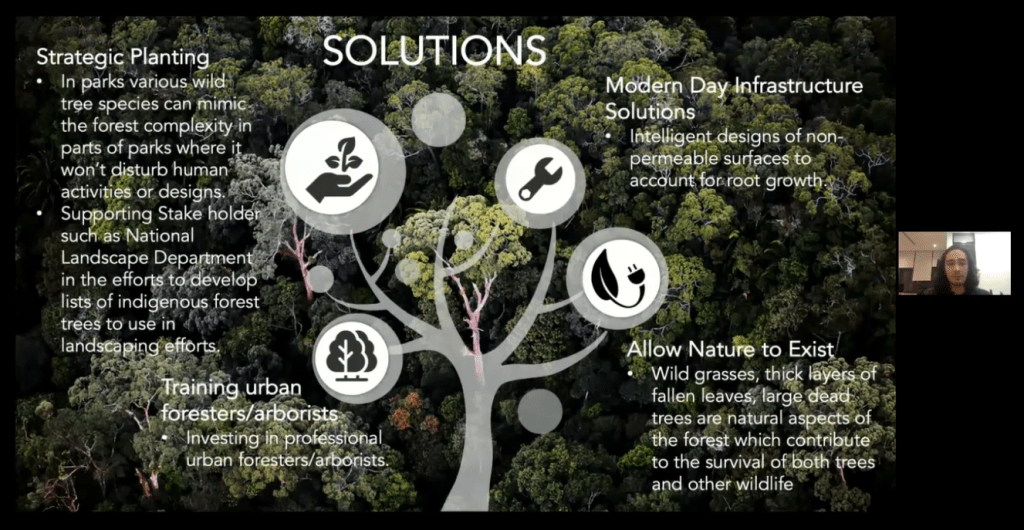
Strategic planting
In designing public parks or gardens, we can allocate some spaces for dense vegetation that mimics forest diversity and complexity. In between those, we can still have our picnic areas and neatly arranged ornamental trees, preferably the native species. We also need to support stakeholders such as the National Landscape Department, as they are driving for the use of native trees in landscaping efforts. This can be done by appreciating local species and recognising their importance as part of the natural history and identity of this nation. Other stakeholders, for example, Forest Research Institute Malaysia (FRIM) are also developing helpful resources such as lists of indigenous species which would be suitable for growing in an urban environment.
Infrastructure solutions
We need to develop infrastructure solutions to fit the complexity of these forest species. The evolution of trees occurs in populations over generations. If we want to use the urban environment to conserve Malaysia’s native species, we need to be able to adapt to them; for example, the design of built surfaces that allow for root growth. This is where interdisciplinary support is needed to find the best way of coexisting with native forest species.
Training urban foresters/arborists
We have to invest in professional urban foresters, arborists and horticulturists. These professions are popular in other countries. Yet, they receive little attention in Malaysia. Without enough professionals, the trees often suffer from excessive pruning and end up dying.
Allow nature to exist
Stop raking everything. The wild grasses, thick layers of fallen leaves, large dead trees are integral for natural processes to occur. These dead organic materials contribute to the survival of trees and other wildlife.
Important stakeholders
National Landscape Department (JLN)
JLN provides guidelines on landscape planning and design, planting form, crop selection and landscape reserves requirement. It drives the implementation of National Landscape Policy (Garis Panduan Landskap) which aimed to turn Malaysia into a “Beautiful Garden Nation” by 2020. It has a good focus on preservation and conservation of natural resources, including our native species. However, JLN does not have the main control on tree planting, as the trees actually belong to the states.
State policy
Here, we focus on the Kuala Lumpur City Hall or “DBKL”. The city hall owns the trees. We definitely need its support in order to incorporate native species and green spaces when designing urban landscapes. Kuala Lumpur Structure Plan is a good example of a plan that proposed an ecological design framework for Kuala Lumpur’s urban landscapes.
3. Private sector
Greening efforts require the commitment of the private sector as well. For example, Sime Darby Property has collaborated with TRCRC to operate the Elmina Rainforest Knowledge Centre (ERKC), which focuses on environmental education, research and development, eco-tourism and other green activities. Also, Sime Darby Property published the Malaysian Threatened and Rare Tree Identification and Landscape Guideline, which provides information for landscape architects, students and others to identify tree species, understand their growth form, aesthetic value and environmental needs.
4. Community/NGO
There are many organisations that contribute to conservation and urban greening. Some of the examples include TRCRC, Malaysian Nature Society (MNS) and Free Tree Society (FTS). Every organisation has its own way of promoting conservation. Some offer their experiences and expertise, while others engage with the public to create awareness.
5. Individual
We can start planting trees. Also, record observations and contribute your data to citizen science platforms such as iNaturalist. This will help to gather information of forest species and improve conservation effort. Individually, we may not be able to do much, but together we can create pressure to drive changes. As we bring in the native trees, we make our cities repositories of seeds and diversity.
Growing fruit trees from seeds is an adventurous and fulfilling experience. However, it requires knowledge, skills and hard work. Not all seeds successfully grow into trees. Seed germination succeeds only when there is a correct amount of light, temperature, moisture and aeration. Extra care should be given so that the plants can go through one of the critical stages of their life.
Seed selection
Choose seeds of plants that are adapted to tropical climates.
It is difficult for fruits like apples and strawberries to survive in the lowlands of Malaysia as they need cold weather to grow and fruit normally. You can start with common plants such as papaya and citrus. Or, you can try growing some exclusive, local candidates such as starfruit, cempedak and mangosteen.
Preparation
Before sowing the seeds, prepare a shady, sheltered environment. Get a seed tray or seed bed ready.
The depth of the seed tray is preferably about 10 to 12 cm (minimum 6 cm; maximum 15 cm). Make sure the seed bed is free from weeds and has good drainage.
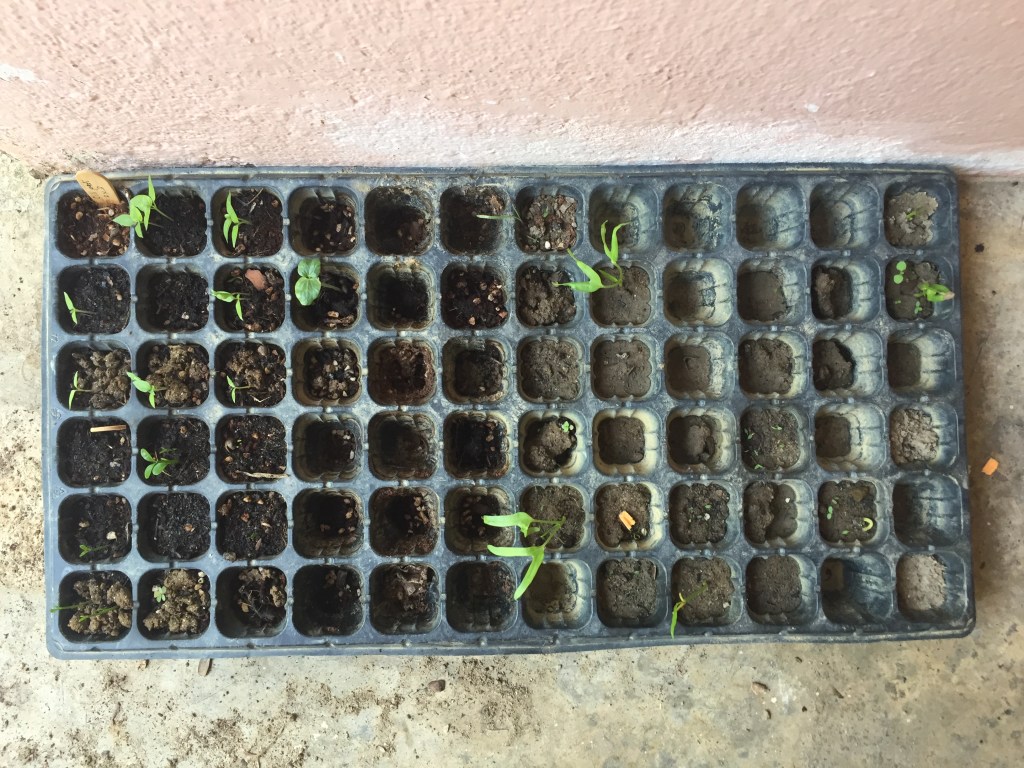
A reusable seed tray with 72 individual slots
Mix up a germination medium for the plants.
A good germination medium is well-aerated, moist, loose and yet firm enough to support the young seedlings. Generally, use course, washed sand (to encourage aeration and drainage) and organic matter (for moisture, soil texture and nutrients). Common materials such as weathered sawdust, coconut fibre, loamy forest top-soil and compost can also be used. Avoid adding weed seeds or pests into the germination medium. Remove stones and gravels if there are any.
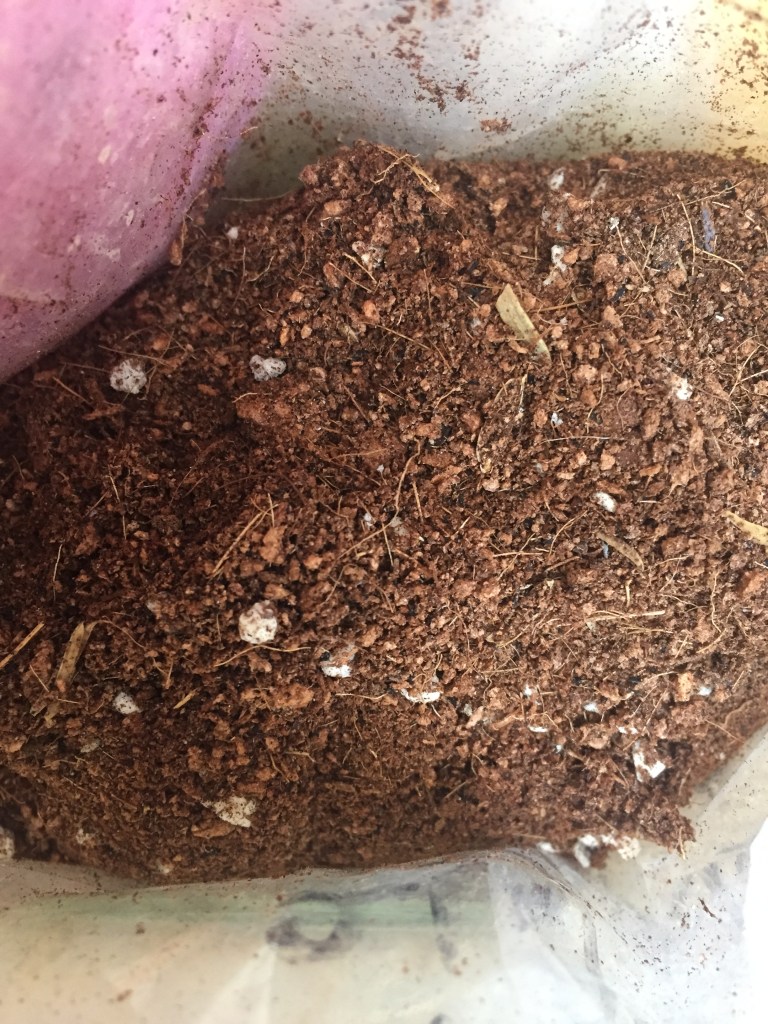
Cocopeat, the long fibre extracted from coconut husks, can be used as one of the materials of the germination medium
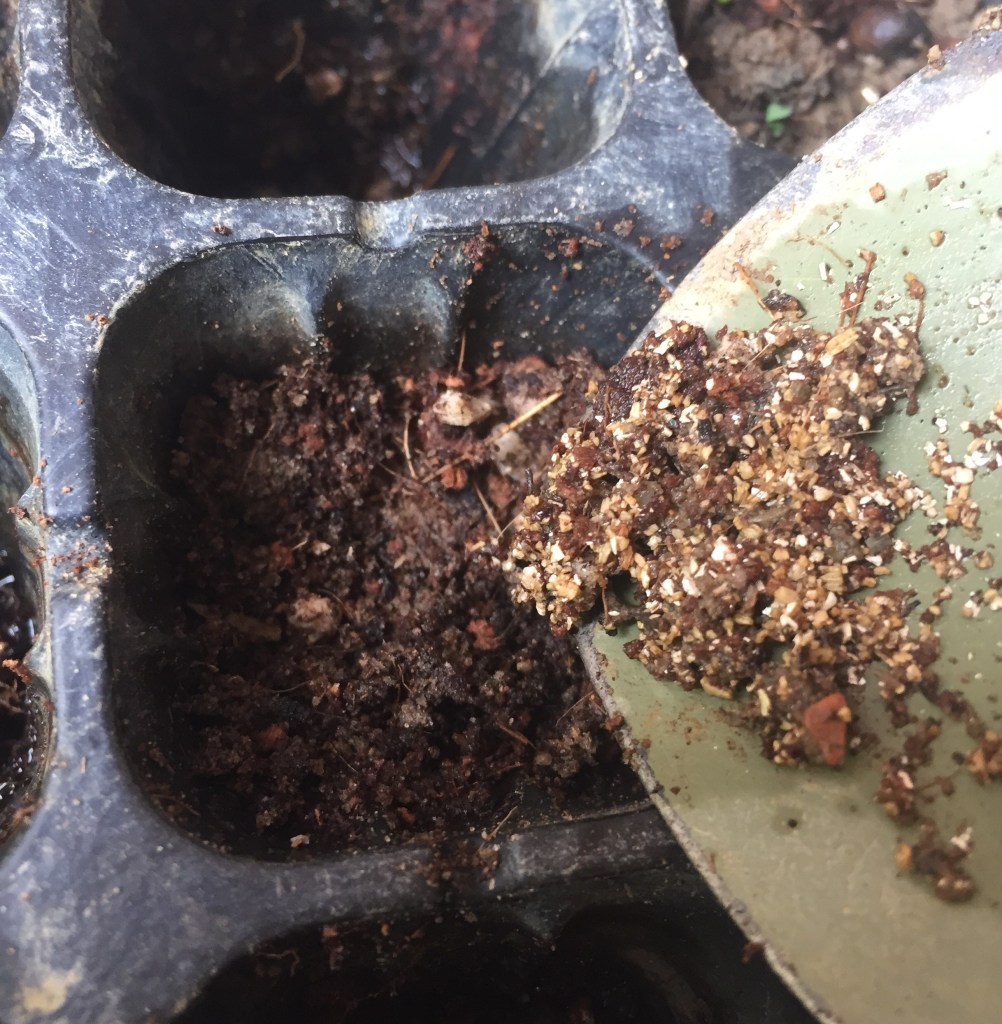
Put the germination medium into the seed tray. Pat it down gently so that the surface is smooth and even. The thickness of germination medium is 1-2 cm, depending on size of the seeds. Smaller seeds need thinner medium. Leave enough space above the medium in seed trays to cover the seeds and permit watering. If seed bed is used, add 5-10 cm of germination medium on top of it. Gently rake the medium to level it.
Fill the slot with germination medium.
Gently press the slot content to make it even.
Sowing
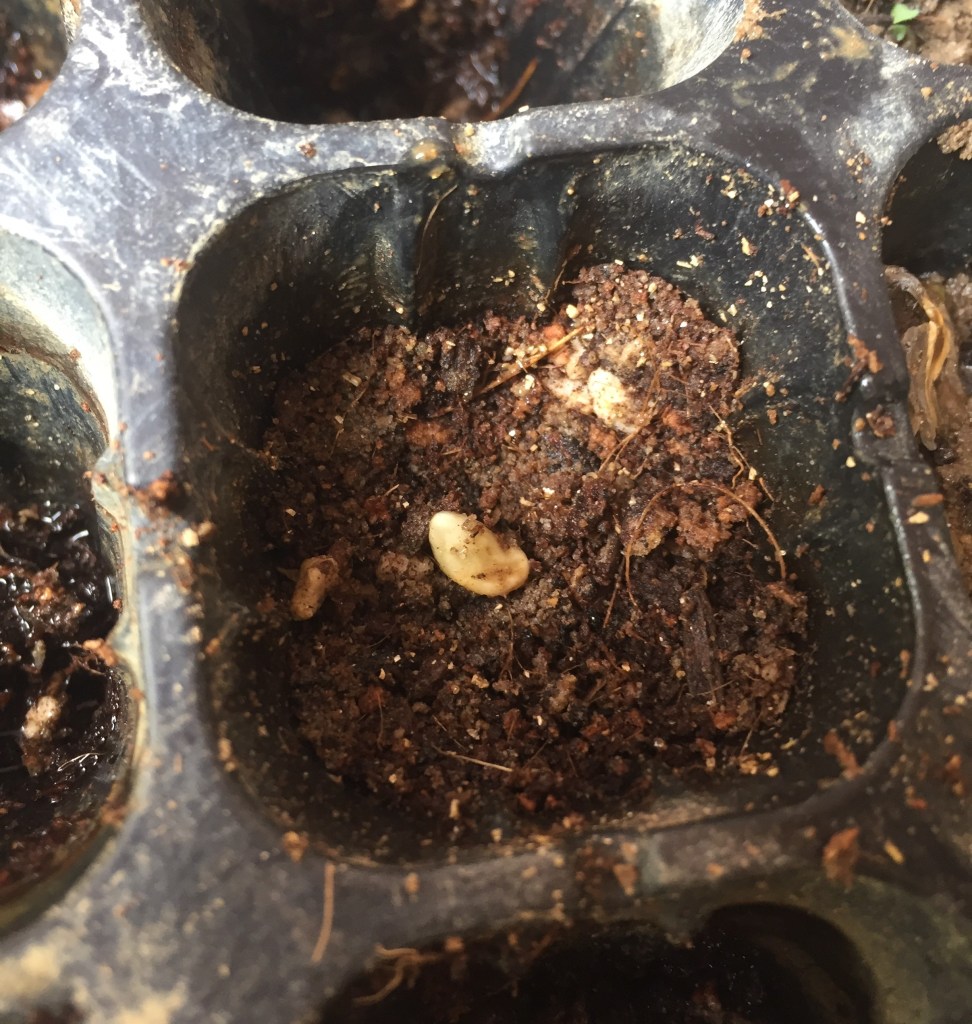
For smaller seeds, scatter them evenly over the surface of germination medium. For seeds that are large enough to pick up, sow the seeds individually and space them out at 2-3 times their diameter.
Place the seed on the germination medium
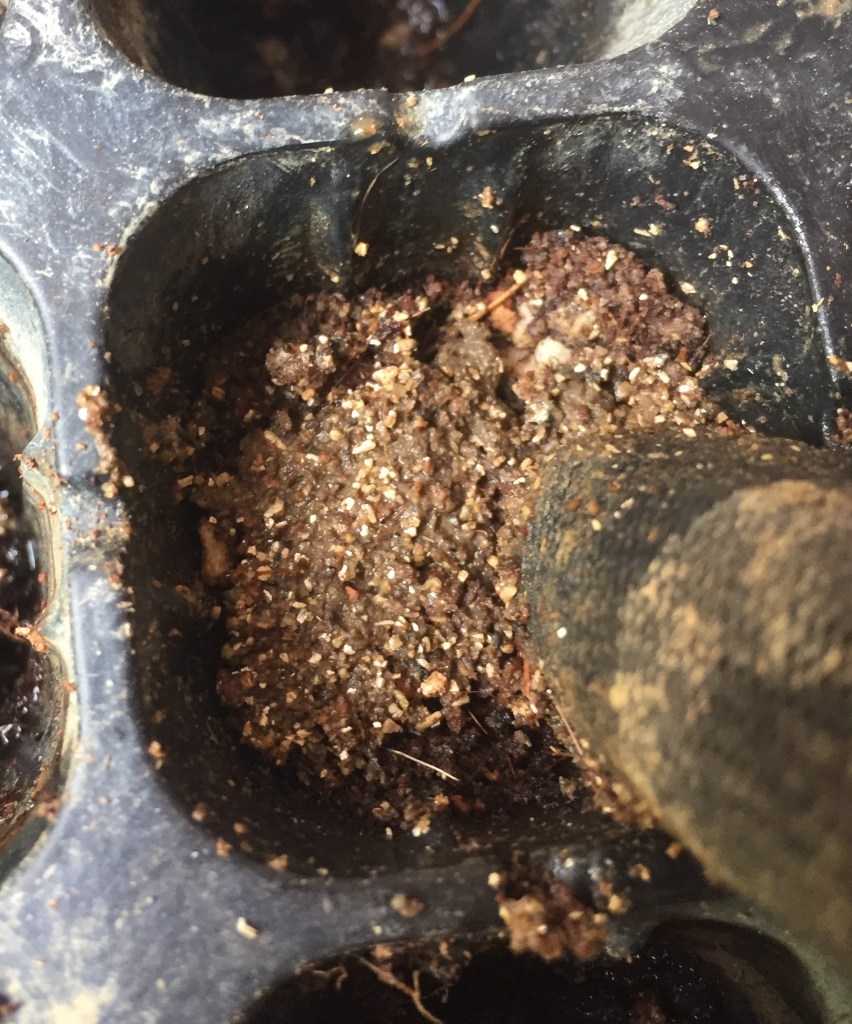
Cover the seeds with more germination medium or a mixture of coarse sand and fine gravel (2-4mm diameter).
Do not cover seeds with fine soil particles or lumps of earth as the former impedes drainage while the later restricts emergence of young shoots. The thickness of covering depends on seed size:
Seeds less than 2 mm diameter: just enough to cover them;
Seeds 2–5 mm across: cover with about 4 mm;
Seeds larger than 5 mm: use about the same depth as the seed diameter.
There are some seeds that require light to germinate. In such cases, the covering should be thin enough to allow light penetration.
Cover the seed with germination medium.
Watering
If the germination medium is moist enough and the seeds contain enough water for germination, do not water the seeds immediately. Sprinkle the seeds with fine droplets if watering is needed.
Cover the seed tray with transparent plastic sheet to slow down drying. However, check the seeds regularly and remove the sheet as soon as the shoots emerge.
Keep the germination medium moist but not too wet.
Signs of good germination
The seeds germinate well if the seedlings pop up. Emerging seedlings often have their shoots bent over like a hook. The shoots then straighten out in the light.
The sprouts emerge and receive sunlight.
Seed leaves either remain below ground or emerge and turn green. The first foliage leaves of seedlings usually look different from the leaves produced later. Therefore, be careful not to remove them when weeding.
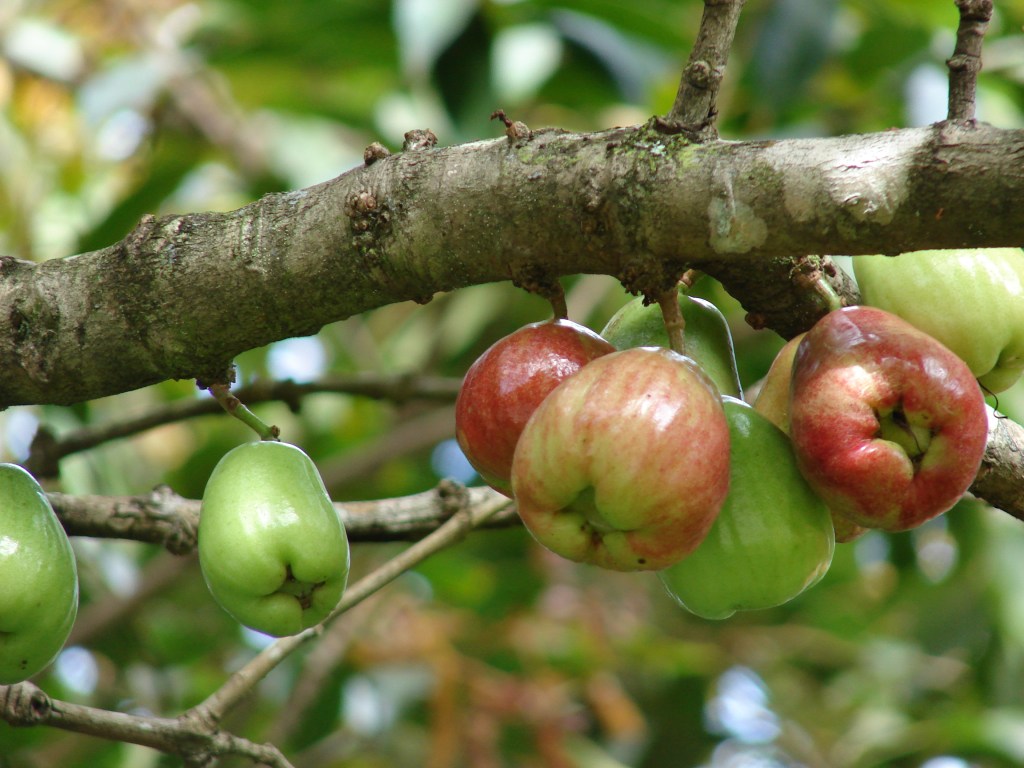
Malay apple or jambu bol (Syzygium malaccense). Photo by Forest & Kim Starr
What are rare fruits?
Known as buah-buahan nadir in Malay, rare fruits are fruits that are not commercially cultivated. They are difficult to find nowadays. Many of them exist naturally in wild environments. Some of these rare fruits trees are mixed with other fruit trees in orchards. Sometimes, people plant these trees as shade trees around their houses.
Why do we need to plant rare fruit trees?
Rare fruits are important food sources for wild animals. They not only feed the animals in the forest, they also provide food for animals that live in close proximity to humans. Most of the rare fruit trees are native. Therefore, they adapt to local climate and environment. Many of them are used as canopy trees to create shady environment for shade-loving plants. Certain fruit trees such as Petai (Parkia speciosa) and Belinjau (Gnetum gnemon) improve nutrient availability in soil. They work with underground microbes to fix nitrogen. This benefits their neighbouring plants as the plants can use the nutrients in soil. Some rare fruits trees are close relatives of the common fruit trees. They are used as rootstock (lower portion of grafted plant) for disease resistance and fast maturity. These rare fruit trees are genetic reservoir for crop improvement.


















 Urban Biodiversity Initiative (UBI)