Categories
Species Guide: Rare Fruit Trees

Beruas

Fruits of beruas. Photo by Goh Shang Ming

Common name: Seashore Mangosteen

Malay name: Beruas, Manggis Hutan

Scientific name: Garcinia celebica L.

Conservation status: Cultivated, Native to Malaysia

Description

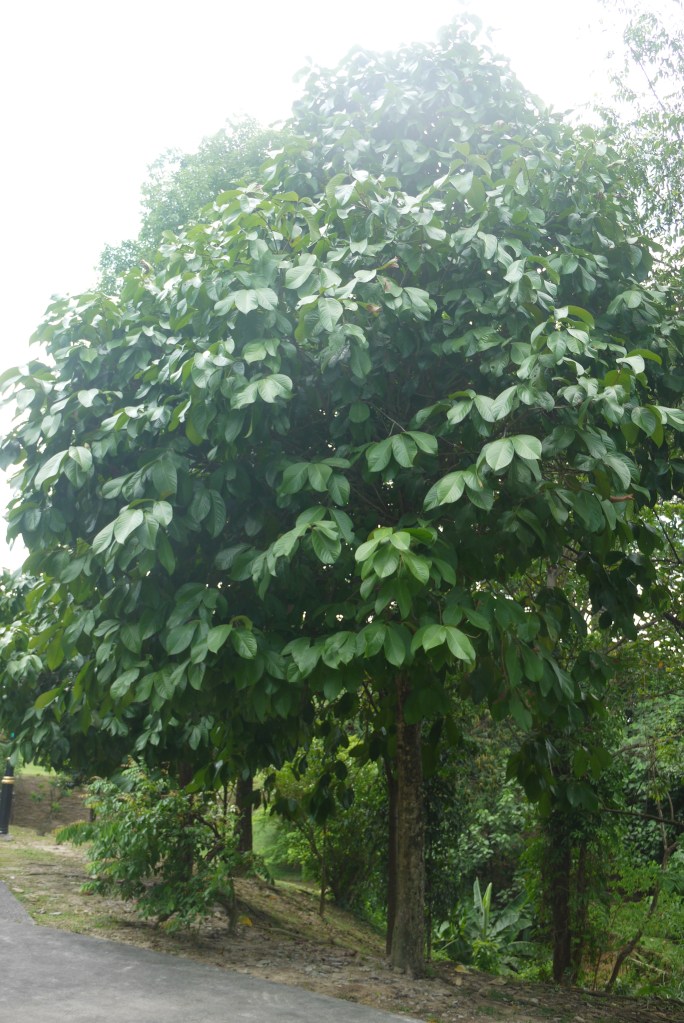
A small to medium-sized tree that grows up to 30 m tall. Tree crown is dense and conical. It produces whitish latex. Leaves are somewhat elliptic, leathery, oppositely arranged. It bears small, four-petaled flowers that are white to cream-yellow. It produces round, fleshy fruits with pinkish red fruit skin and yellowish pulp that tastes sour.
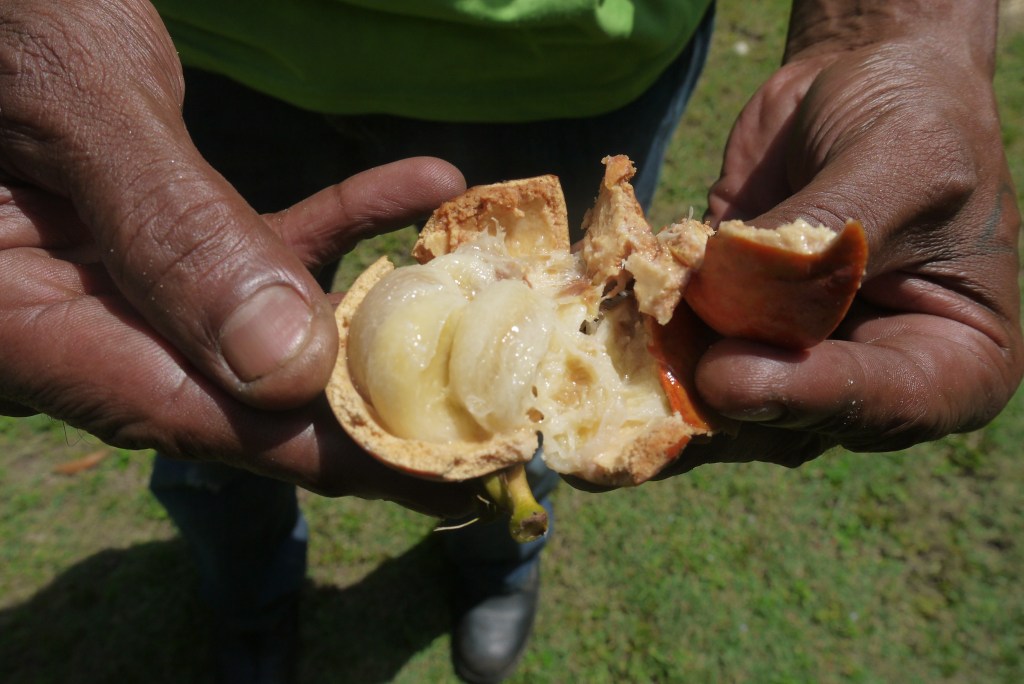
The yellowish pulp of beruas fruit. Photo by Goh Shang Ming
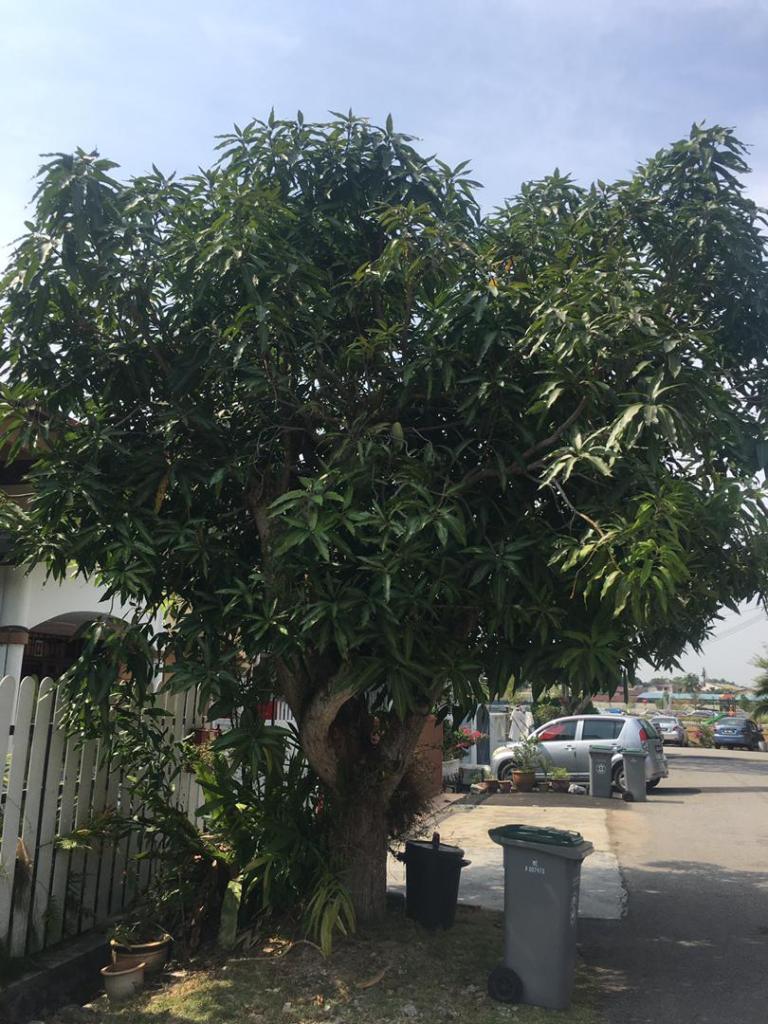
A beruas tree with its spreading crown. Photo by Goh Shang Ming

Habit: Perennial tree

Cultivation: It is planted by seeds

Ecological function: The flowers of this plant attract pollinators. Its fruits are eaten by primates and small mammals. Its dense crown may provide roosting spots for animals like fruit bats. It is used as rootstock for mangosteen (Garcinia mangostana).

Pollinator: Insects

Soil: Sand, loam, clay. It tolerates saline soils

Moisture: Moist, well-drained soils. It tolerates to drought and heavy rainfall

Shade: No shade, partial shade

Use: The fruits are edible. The tree is planted as an ornamental plant.

Categories
Species Guide: Rare Fruit Trees

Belimbing Buluh

A belimbing buluh tree with radial leaf clusters. Photo by Goh Shang Ming

Common name: Cucumber Tree, Tree Sorrel, Bilimbi

Malay name: Belimbing Buluh, Belimbing Masam

Scientific name: Averrhoa bilimbi L.

Conservation status: Cultivated, Native to Malaysia

Description

A small tree of 5-10m tall. Trunks are short and divided into upright branches. Leaves are oblong, usually clustered at the branch tips. It bears small, fragrant, purplish-red flowers which are grouped into drooping clusters. Each cluster comprises about 60 flowers. Fruits are somewhat cylindrical or slightly pentagonal, glossy, green to light yellow.

Habit: Perennial tree

Cultivation: It is planted by seeds

Ecological function: The flowers attract pollinators. It is a caterpillar food plant. This plant is bird-attracting.

Pollinator: Bees, butterflies, self-pollinate

Soil: Fertile loamy soils

Moisture: Moist, well-drained soils

Shade: No shade

Use: The fruits are edible. It is often used as souring agent for dishes and beverages.

Categories
Species Guide: Rare Fruit Trees

Lemba

The long, pleated leaves and yellow flowers of a lemba plant. Photo by Goh Shang Ming

Common name: Palm Grass, Weevil Lily, Hill Coconut

Malay name: Lemba

Scientific name: Molineria latifolia

Conservation status: Cultivated, Native to Malaysia

Description

An evergreen plant that produces a cluster of leaves from the roots. Leaves are lance-shaped and pleated. It bears clusters of small, yellow flowers at the base of the plant. Fruits are white and egg-shaped.

Habit: Perennial herbaceous plant

Cultivation: It is planted by seeds or divisions

Ecological function: The flowers of this tree attract pollinators. It can be planted as a groundcover.

Pollinator: Ants, bees

Soil: No data

Moisture: Fertile, moist, well-drained soils

Shade: Full shade, semi-shade

Use: The fruits and seeds of this plant are edible. Its leaves are used as food wrap and replacement of cotton in making ropes, fishing nets and fabrics.

Interesting fact: The fruits of this plant temporarily modify the perception of taste as if the water or food tastes sweet, although it is actually not.

Categories
Species Guide: Rare Fruit Trees

Petai

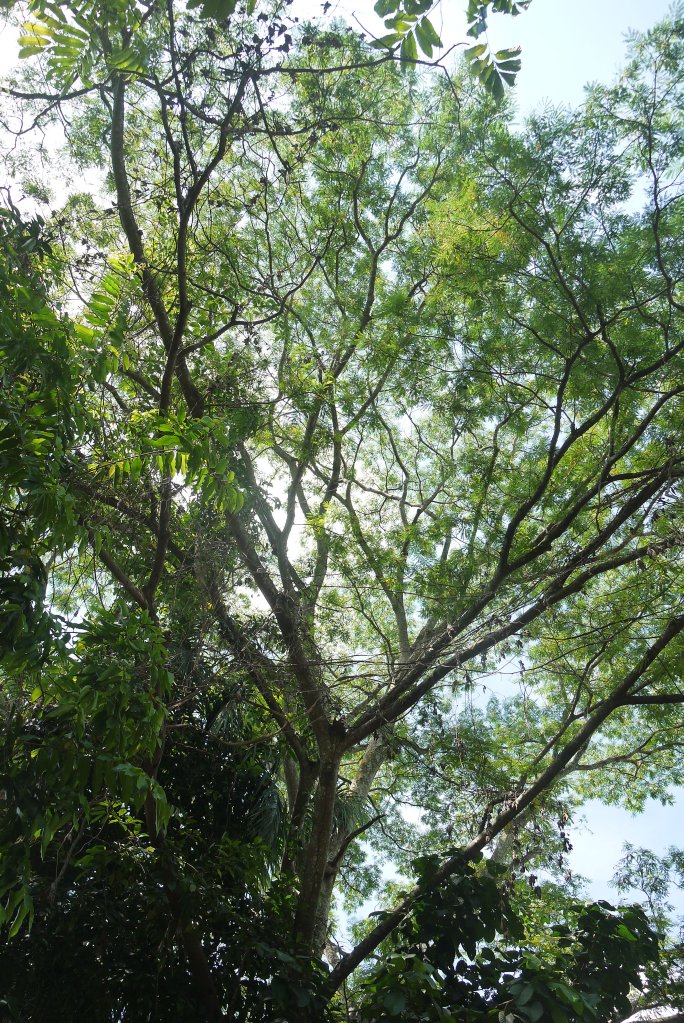
Tree crown of Parkia speciosa. One can recognise the tree by identifying the strong odour of its fruits. Photo by Goh Shang Ming

Common name: Stink Bean

Malay name: Petai, Nyiring

Scientific name: Parkia speciosa

Conservation status: Least Concern, Cultivated, Native to Malaysia

Description

This tree is 15-45 m tall. Leaves are alternately arranged and branched into smaller leaflets. Flowers are compacted into pear-shaped cluster known as head. Fruits are long, straight or twisted pods that contain up to 18 seeds each. The seed pods are initially pale green and eventually turn blackish. Both flowers and fruits emit a foul odour.

Habit: Perennial tree

Cultivation: It is planted by seeds, buddings or cuttings

Ecological function: The flowers of this tree attract pollinators. Its fruits are food source for animals like birds. It improves nutrients availability in soil by fixing atmospheric nitrogen. It is a shade-providing species that is suitable for agroforestry system.

Pollinator: Bats

Soil: Loam, clay, organic soils

Moisture: Well-drained soils

Shade: Partial shade. It needs increasing light level as it matures

Use: The seeds are edible.

Categories
Species Guide: Rare Fruit Trees

Jambu Mawar

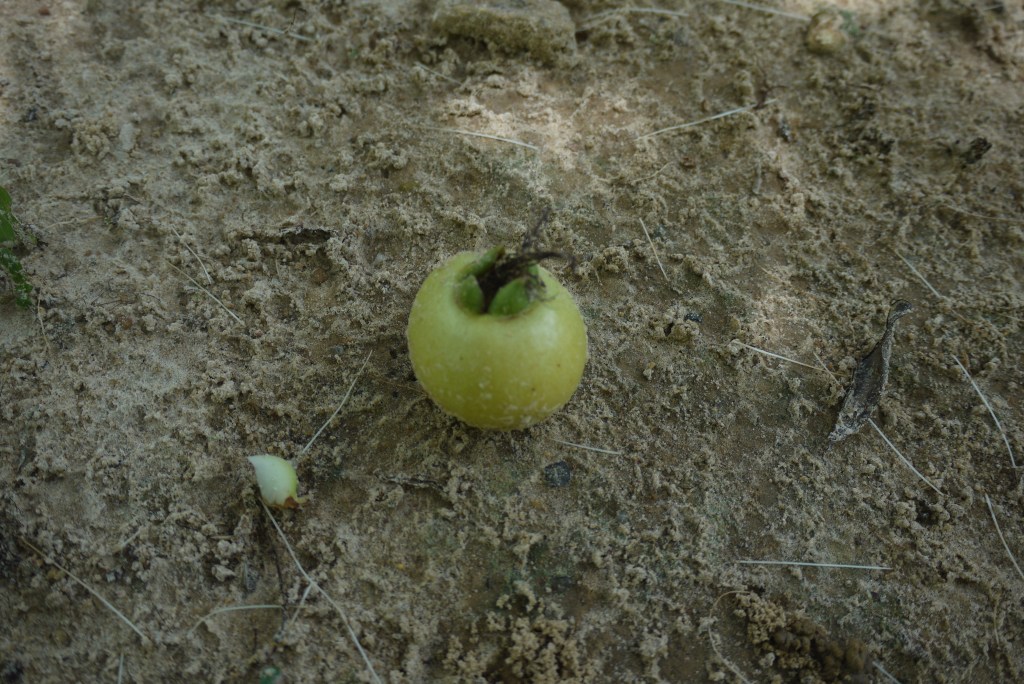
A fruit of jambu mawar. Photo by Goh Shang Ming

Common name: Rose Apple

Malay name: Jambu Mawar

Scientific name: Syzygium malaccense (L.) Merr. & L.M. Perry

Conservation status: Least Concern, Cultivated, Native to Malaysia

Description

A small, evergreen tree that grows up to 15 m tall. Tree crown is dense and spreading. Tree trunk is low-branching. Leaves are glossy, tapering and oppositely arranged. Bears clusters of white, fluffy flowers that are 5-10 cm wide. Fruits are round to egg-shaped, whitish to yellow, have a crown-like structure and smell like rosewater.

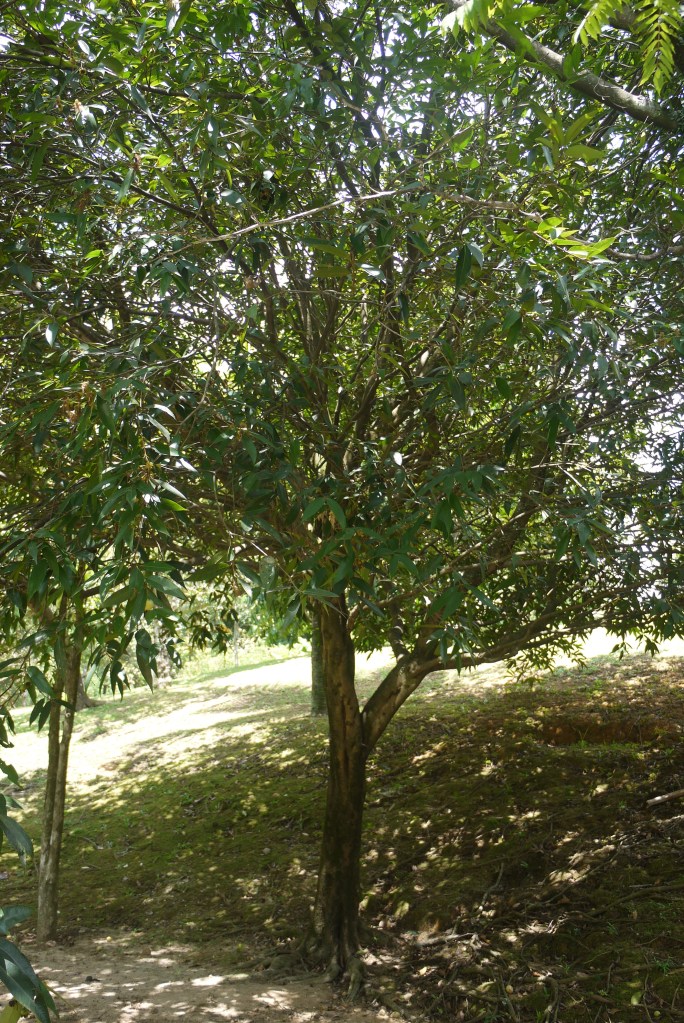
A jambu mawar tree with its spreading crown. Photo by Goh Shang Ming

Habit: Perennial tree

Cultivation: It is planted by seeds, budding, air-layering or grafting

Ecological function: This tree is shade-providing. Its flowers attract pollinators.

Pollinator: Bees and other insects

Soil: Fertile loamy soils. It tolerates poor soils and saline soils

Moisture: It grows in both well-drained and waterlogged soils.

Shade: No shade. Partial shade for young plants

Use: The fruits of this tree are edible. Its leaves are used for perfumery. This tree is planted as an ornamental tree.

Categories
Species Guide: Rare Fruit Trees

Jambu Bol

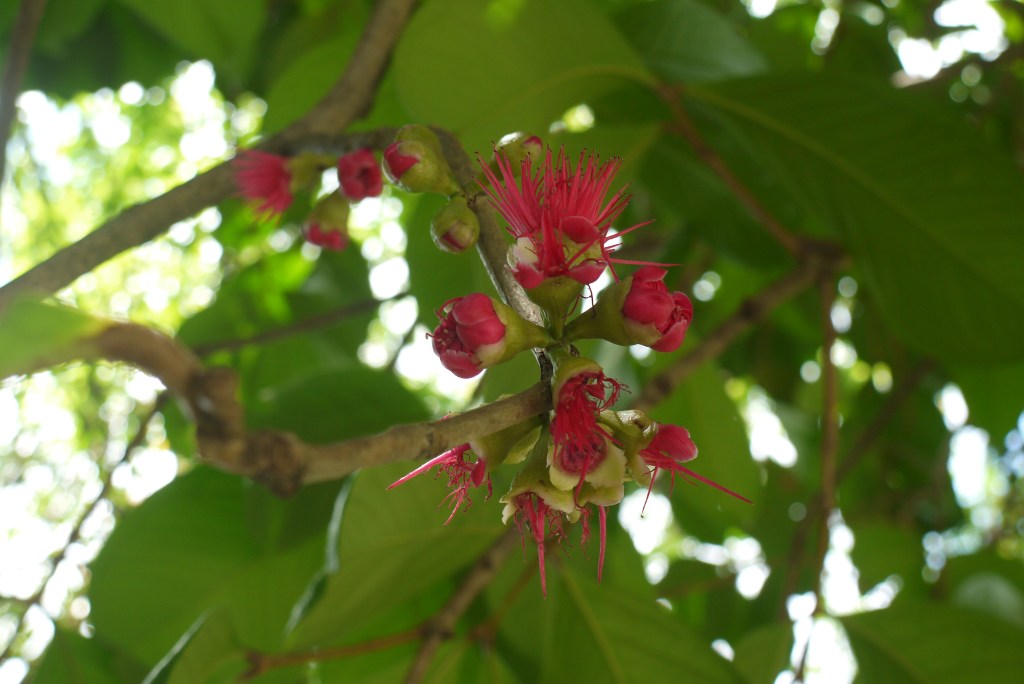
The flowers of jambu bol tree. Photo by Goh Shang Ming

Common name: Malay Apple

Malay name: Jambu Bol, Jambu Susu

Scientific name: Syzygium malaccense (L.) Merr. & L.M. Perry

Conservation status: Least Concern, Cultivated, Native to Malaysia

Description

A small to medium-sized tree that grows up to 25 m tall. Tree crown is dense, rounded or conical. Tree trunk is straight and usually low-branching. Leaves are leathery and oppositely arranged. Flowers are reddish pink, clustered and somewhat fluffy. Produces reverse-egg-shaped fruit that are red, whitish or yellowish with white or pink streaks.

A jambu bol tree with its dense, conical crown. Photo by Goh Shang Ming

Habit: Perennial tree

Cultivation: It is planted by seeds, buddings, air-layering, grafting or stem cuttings

Ecological function: This tree is shade-providing. Its flowers attract pollinators.

Pollinator: Bees

Soil: Sand, loam, clay

Moisture: Well-drained, fertile soils

Shade: No shade

Use: The fruits, flowers, young leaves and shoots of this tree are edible. It is planted as an ornamental tree.

Categories
Species Guide: Common Fruit Trees

Ciku

Fruits of ciku tree. Photo by Goh Shang Ming

Common name: Naseberry, Sapodilla, Nispero

Malay name: Ciku

Scientific name: Manilkara zapota (L.) P. Royen

Conservation status: Cultivated, Naturalised, Introduced (Tropical Americas)

Description

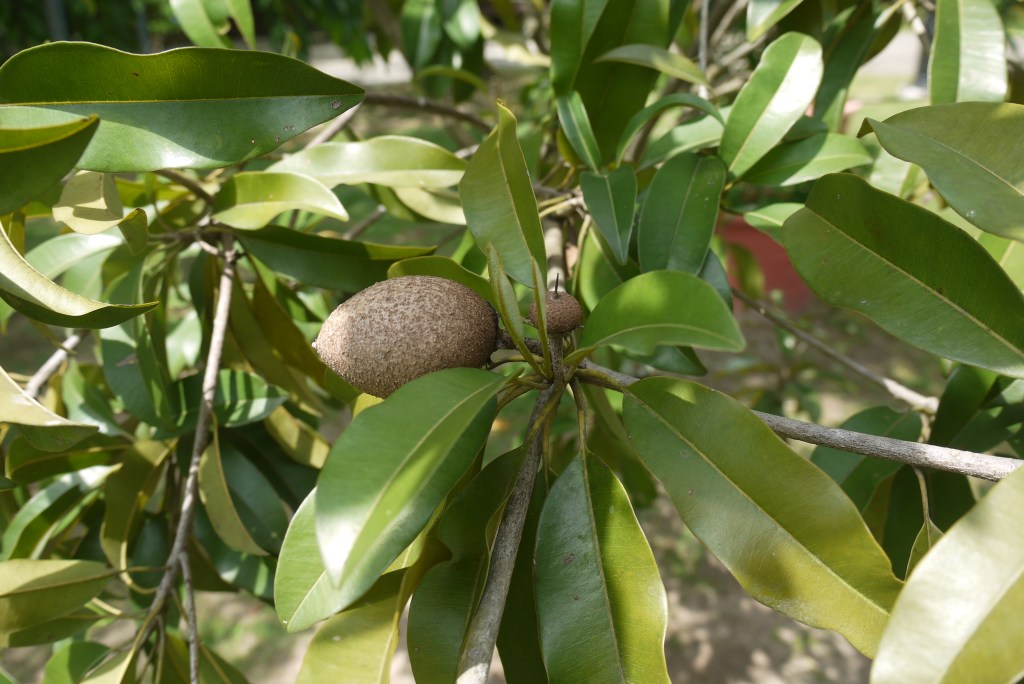
A tree that grows 18-30 m tall. Leaves are glossy, elliptic and spirally arranged. It bears bell-shaped, pale green flowers. Fruits are somewhat round, brown and hairy.

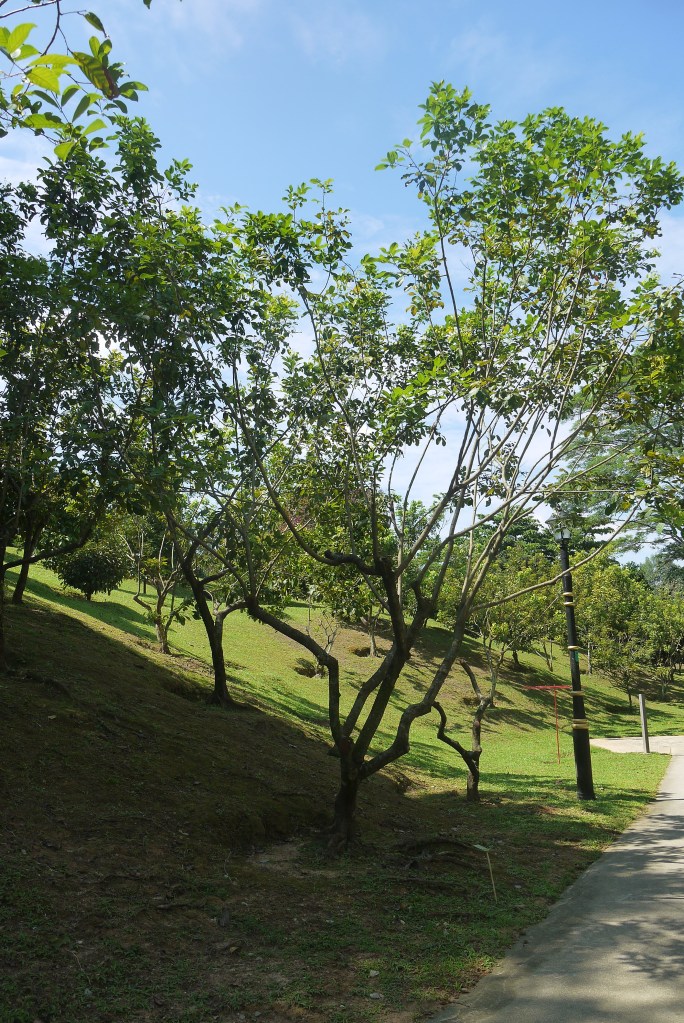
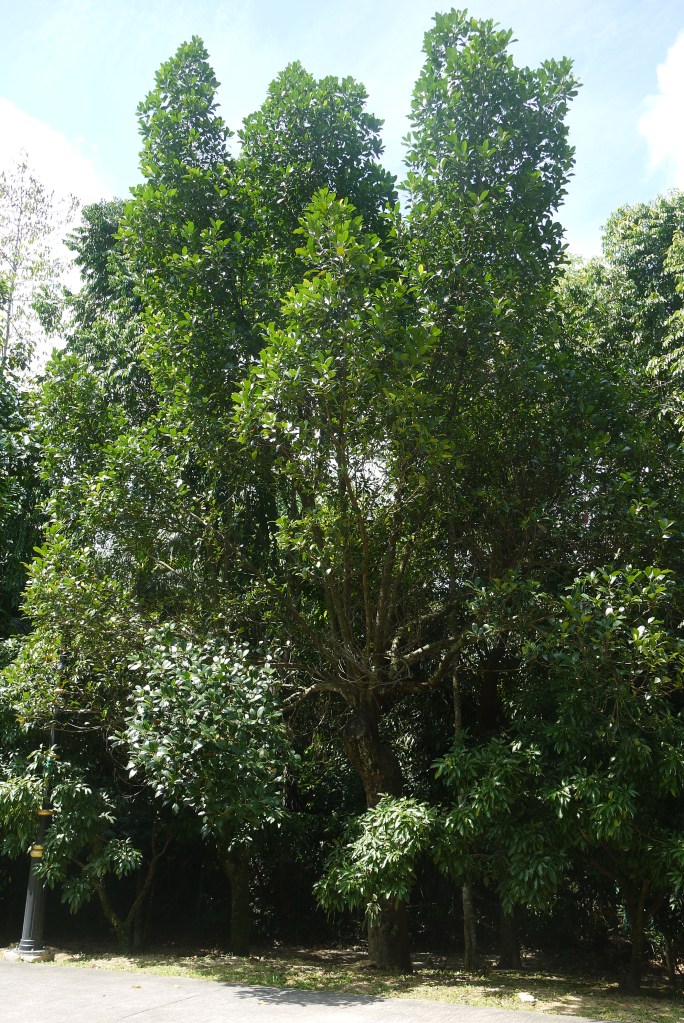
A ciku tree. Photo by Goh Shang Ming
Fruit and leaves of ciku tree. Photo by Goh Shang Ming

Habit: Perennial tree

Cultivation: It is planted by seeds, grafting or air-layering

Ecological function: The flowers of this tree attract pollinators.

Pollinator: Insects, primarily bees

Soil: Sand, loam. It tolerates saline soils

Moisture: Well-drained, fertile soils

Shade: No shade

Use: Fruits are eaten raw or used in desserts.

Categories
Species Guide: Common Fruit Trees

Rambutan

The green, unripe fruits of rambutan tree. Photo by Goh Shang Ming

Common name: Hairy Lychee

Malay name: Rambutan

Scientific name: Nephelium lappaceum L.

Conservation status: Cultivated, Native to Malaysia

Description

A tree that grows 10-25 m tall. Leaves are glossy and divided. It bears small, yellowish-green to white flowers with mildly sweet scent. Fruits are oval to spherical, covered with hairy spines, turn from green to red when ripe.

A cluster of fruit buds at the end of a tree branch
A low-branching rambutan tree. Photo by Goh Shang Ming

Habit: Perennial tree

Cultivation: It is planted by seeds, grafting or air-layering

Ecological function: The flowers of this tree attract pollinators. It is a caterpillar food plant. Its fruits are eaten by birds and bats.

Pollinator: Insects

Soil: Loamy soils

Moisture: Well-drained, fertile soils 

Shade: No shade

Use: Fruits are eaten raw, stewed or canned.

Categories
Species Guide: Common Fruit Trees

Nangka

Jackfruit is the largest of the tree fruits. Photo by Goh Shang Ming

Common name: Jackfruit

Malay name: Nangka

Scientific name: Artocarpus heterophyllus Lam.

Conservation status: Cultivated, Native to Malaysia

Description

A tree that can reach up to 25 m tall. Tree crown is irregular. Leaves are elliptic, leathery, with short, pointed tip. Flowers are compacted in cluster known as head. Fruits are pear-shaped, with pyramidal warts.

A jackfruit tree with its irregular crown. Photo by Goh Shang Ming

Habit: Perennial tree

Cultivation: It is planted by seeds or grafting

Ecological function: As this tree is deep-rooted, it helps to increase soil fertility and improve soil structure, thus aiding in control of flood and erosion. It is shade-providing and is useful for vertical layering in home gardens.

Pollinator: Flies, beetles

Soil: Sand, loam, clay

Moisture: Well-drained soils

Shade: Partial shade. It needs increasing light level as it matures

Use: The ripe fruits are edible.

Categories
Species Guide: Common Fruit Trees

Mangga

Mango fruits. Photo by Goh Shang Ming

Common name: Mango

Malay name: Mangga

Scientific name: Mangifera indica L.

Conservation status: Cultivated, Naturalised, Introduced (Indian subcontinent)

Description

A tree that grows up to 45 m tall. It has an upright, columnar trunk. Leaves are spirally-arranged, long and slightly elliptical. The flower clusters can consist of about 3000 tiny, whitish flowers. The fruit is is yellowish green or red, egg-shaped and single seeded.

A mango tree with its dense, bushy crown. Photo by Lee Li Chong
The flower cluster of mango tree. Photo by Goh Shang Ming

Habit: Perennial tree

Cultivation: It is planted by seeds or grafting

Ecological function: The flowers of this tree attract pollinators. Its fruits are food source for birds and mammals. Its crown provides shelter for wildlife

Pollinator: Bees, bats, flies, ants

Soil: Sand, loam, clay, organic soils

Moisture: Well-drained soils

Shade: No shade

Use: The unripe fruits are made into pickles while the ripe fruits are eaten raw or made into dessert.