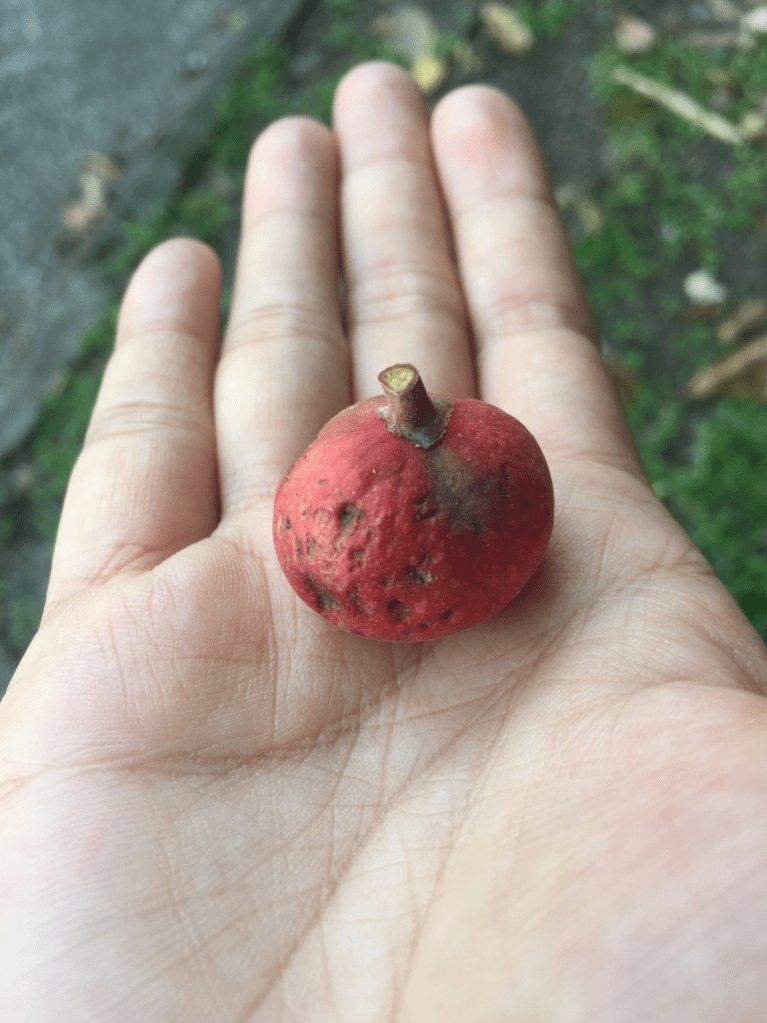
Fig is food for bats, squirrels and many other animals.
Keystone species are species that cause the entire ecosystem to fall apart if they are removed.
We can imagine an ecosystem to be a network of connections between various species. Some species are more connected than others, and they can be the ones holding the entire network together.
Keystone species take their name from the keystone in stone bridges, this is the stone that holds the entire bridge structure together, and if removed causes the collapse of the entire bridge.
The biggest problem with keystone species is that we are rarely able to identify them without close study, and sometimes we only understand how they function when we see the results when they are gone.
A cautionary tale of disaster caused by removal of a keystone species is China’s “War on four Pests”. One of those pests was the sparrow, which sometimes ate the grain of farmers.
A quarrel of Eurasian tree sparrow (Passer montanus) roaming at the edge of a fountain
Farmers were given quotas to kill sparrows, believing that this will increase their crop yields. What happened was a great ecological tragedy of the modern world.
Without sparrows to control them, the population of grasshoppers and other insects exploded. These insects started destroying crops and a massive famine followed.
This case really illustrates the folly of removing species from ecosystems. We often have no understanding of their functions and removing the wrong species can cause collapses of ecosystems with horrible consequences.
This is one of the reasons why we have to try to protect as much of our native ecosystems as possible. We sometimes do not know what a keystone species is until it is too late.
A pioneer species is a species that arrives at the start of a succession sequence. If you’re not familiar with succession, you can find an article about the concept here.
An example of a pioneer species is the Senduduk (Melastoma malabathricum), which breaks up poor soils with its extensive root system and lays down layers of dead leaves which become a carbon rich organic material for the topsoil.
The purplish flowers of Melastoma malabathricum
It also blocks out smaller sun loving plants and provides shade for small saplings. By doing so it changes what species can survive in an area and it shapes the direction in which succession can proceed. This plant marks a shift from small herbaceous plants to small shrubs and saplings.
Letting plants take over through natural regeneration is one of the methods to recover soil quality and produce habitat. Being able to identify which pioneer species are there will tell you a lot about the progress of the regeneration.
Not all trees are equal, what, when and where play a very important role in determining whether a tree can support the ecosystem or if it cannot survive in it. Knowing which species act as pioneers is an important aspect of biodiversity enrichment, as it allows us to know when to plant something.
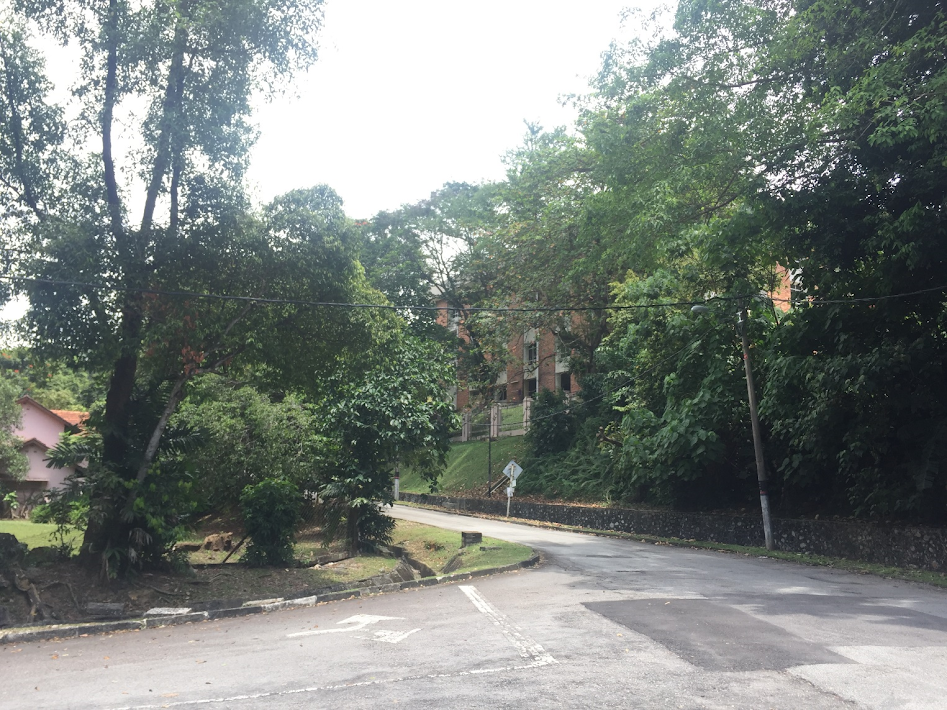
An island of trees standing amid roads and buildings
Imagine biodiversity as water, it can flow from one place to another, it can stagnate and it can seep out.
Some places have more biodiversity, some places have less. When conditions are right and there is a pathway available, the biodiversity can flow from areas of high diversity to areas with lower diversity.
In ecology we usually call the places that can export biodiversity as “sources”, while places that accept biodiversity are called “sinks”. Like a spring of water, if you connect them the biodiversity can flow from a “source” into a “sink” until it fills up as much as it can hold.
When planning biodiversity enrichment in cities, it is important to be able to think about where your sources are. Planting a bunch of isolated trees is not the same as planting trees near a forest patch where wildlife can flow into it.
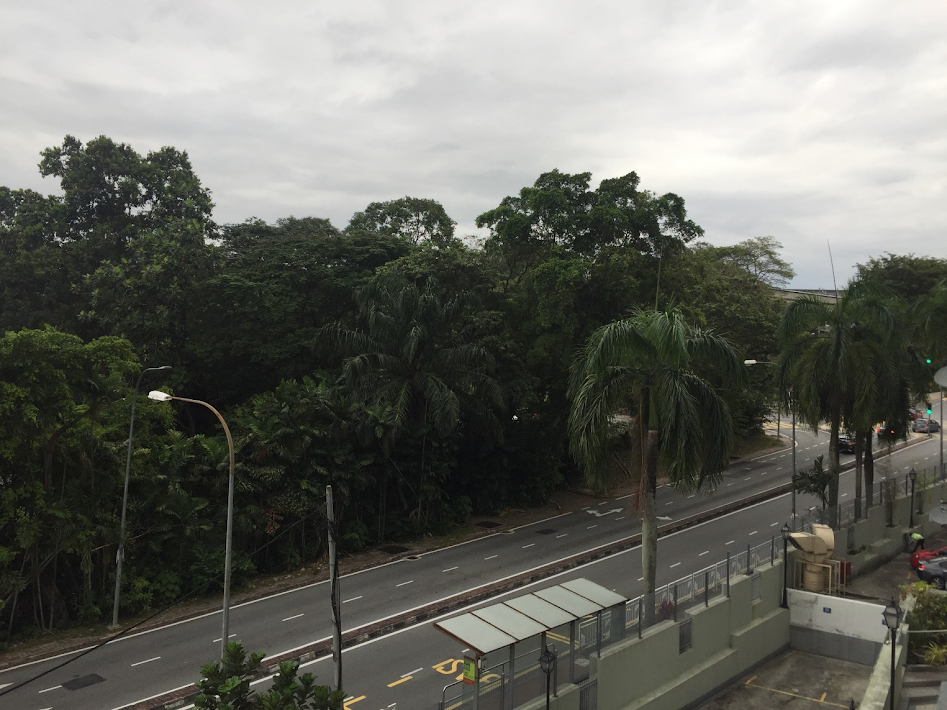
Also worth thinking about is the barriers that can prevent the flow of biodiversity. Is it a noisy road that crawling animals can’t get past? Or is it a row of buildings that block flying animals? Understanding where your pathways are can be just as important as identifying “sources” and making new “sinks”.
Movement of urban-dwelling animals may be restricted by urban roads
A good example of a “sink” is an area that is large so it can be easily found by randomly moving wildlife and it has to have resources that the wildlife can exploit, so they decide to stay there.
This analogy really helps when planning for wildlife intervention in the city. How we plan for the movement of wildlife can help us to have healthier ecosystems that are in less conflict with the humans around them.
from Biodiversity Gardens Capacity Building Workshop with Chan Zi Xiang, Langit Collective (Co-founder and Chief Financial Officer)
Langit Collective is a social enterprise that primarily works with paddy farmer communities in Sabah and Sarawak. It was first started in 2015. However, the team really started to learn about agriculture in 2017. Aside from agriculture, they also learn the language and traditional knowledge of the local communities.
The Lun Bawang farmer communities are based in Long Semadoh, Sarawak. It is a highland which is 800m above sea level. The average temperature there is around 16 to 28 degree Celsius. The temperature difference is big between day and night.
The Lun Bawang communities are mostly subsistence farmers. They plant crops for their own consumption. Therefore, the way they farm is very different from the way of conventional farming. The communities started to plant wet paddy 70 years ago. Before this, they implemented the hill paddy system, which is also known as swiddening, slash and burn or shifting cultivation. There are still people practicing this method. However, wet paddy is the main crop.
Heirloom crops
Basically, heirloom crops are ‘’what you see is what you get’’. It is not hybridised. Instead, it is open-pollinated. We can collect the seeds from the plant and propagate them. The properties of the next generation will be similar to its parent generation. In contrast, a hybridised seed may lose its desired properties in the next generation or generation after that.
The farmers in Long Semadoh do not buy seeds from the store. Instead, they plant more than 30 varieties of heirloom rice which have been passed down for more than 70 years. They acquired the varieties from the local regions and this goes back hundreds of years. The rice produced is black in colour, but it is not the black glutinous rice that we usually see.
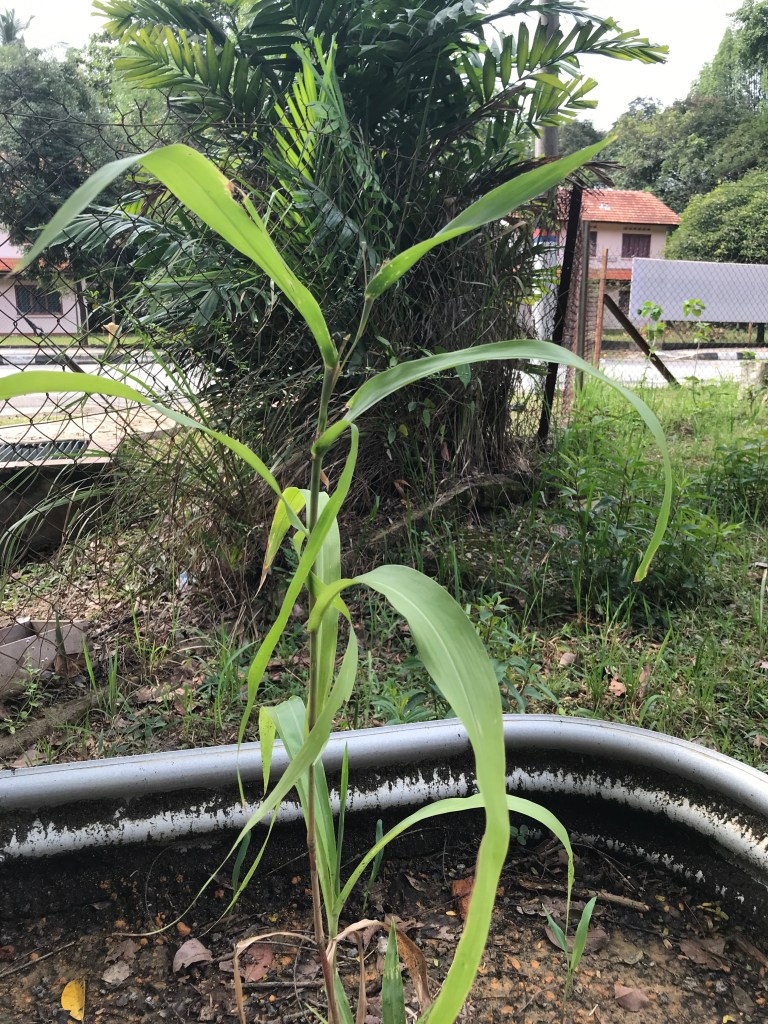
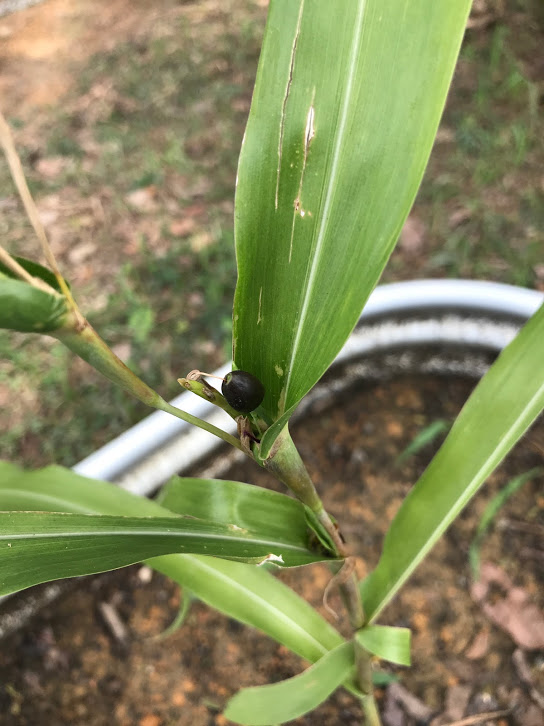
Job’s tears is also one of the heirloom crops in Long Semadoh. Job’s tears is native to Southeast Asia. It has two varieties. One is edible; the other is wild and not edible. Seeds of the non-edible variety can be used as beads to make bracelets. This plant is now purported to be the new Quinoa. Yet, most of us do not know that it is native to Malaysia. The Koreans and Japanese use this plant in their skincare products due to its whitening properties.
The another heirloom crop is the foxtail millet. It is not native in Malaysia, but has been naturalised for a long time. The local foxtail millet is very fine and glutinous, which is different from the millet we usually eat. The millet that we commonly consume is imported from countries like China and India.
It is a saddening fact that most of the Malaysians do not know the existence of these plants. Even among the Lun Bawang communities, there are less and less people planting these heirloom crops. As these crops are annuals, their germination rates drop drastically if they are not planted immediately. Because of this, the communities have lost some of the varieties as they no longer possess the seeds. In fact, these heirloom crops are the farmers’ asset. This is also where we can find new ways of fooding in this era.
Aside from Job’s tears and foxtail millet, there is a more commonly-known heirloom crop: pineapple. The Sarawak pineapple is quite famous and has been naturalised since a very long time ago. None can remember where they got the pineapple from. According to Zi, the pineapple tastes extraordinarily good. Once you taste it, you will never go back again. The fruit is not available elsewhere as it is produced at a place four hours off-road from the nearest town, Lawas.
The heirloom crops are very diverse. For example, there are more than 30 varieties of rice being cultivated by the Lun Bawang communities. Unfortunately, the Malaysians nowadays hardly recognise these varieties. We probably hear of foreign varieties e.g. Basmati rice and are able to name few local rice brands e.g. Cap Rambutan, but not the local varieties. Maybe some Kelantanese can remember the purplish rice that they use to cook nasi dagang, which is known as beras dagang. Even then, we do not see much being planted anymore. Most of the farmers in West Malaysia are using hybrid seeds that are sold commercially.
One good thing about heirloom crops is their huge biodiversity.
The Lun Bawang farmers can tell you that among three types of black rice that they produce, which type is suitable for making kuih while which type is suitable for cooking porridge etc. The white rice that they produce has at least 7 to 8 varieties, and each has different flavours and culinary uses. This is just like a treasure trove and we have no idea that it still exists in Malaysia.
As these heirloom seeds have to be planted every year, they are actually more resilient than the introduced crops or varieties. They acclimatise to local weather patterns and environmental changes. So, the crop plants that are being harvested are actually survivors. From an evolutionary point of view, they are the fittest ones. Zi is confident that when the other seeds do not do well, their heirloom seeds will not have any problem.
As a social enterprise, Zi and his team see the heirloom crop as a specialty. These heirloom plants are so unique to them as well as to Malaysia. They believe that this is the opportunity to bridge the economy gap between urban & rural communities.
Indigenous farming wisdom
The system that they incorporate is very concerted. There are a lot of features worth mentioning. One is the buffalo. The buffalo plays a very interesting role in Long Semadoh. It is not being used till the land. In fact, the buffalos are released into the fields to roam freely after the harvest. They will eat up the remaining paddy stalks in the field. At the same time, they fall in the mud and trample around. This is where the turning of the soil happens. Of course, they defecate. Their faeces go in and re-fertilise the whole field.
The harvest is done by January or February every year. Then, the buffalos are released to the fields. They will be in the fields until July. These buffalos clean up the fields so that the soil will be just nice to start the planting. The farmers just need to remove some grasses that grow wildly during the resting period. The whole process is very labour-saving. Tilling is not needed. This is a surprising fact to us as we have always been taught that tilling is compulsory for farming.
Without any input e.g. fertiliser or pesticide, the soil quality in the paddy field is good enough. It is naturally organic. Furthermore, the yields of traditional farming in Long Semadoh is actually quite comparable to the average yields of typical conventional farming, which consume a lot of chemical inputs. With much lesser input cost, the farmers in Long Semadoh gain good-quality rice to sustain themselves. They even feed their livestock when there is an excess of rice.
Another interesting farming method is minimum intervention. The farmers in Long Semadoh do not uproot the pineapple plants after the first harvest. Instead, they leave the plants in soil and let them fruit again and again. Although the fruits subsequently shrink in size, the flavour actually improves. The farmers normally sell the firstly harvested fruits but keep the latter produce for their own consumption.
The swiddening or slash-and-burn technique is often blamed for haze or greenhouse gas emission. However, it is unfair to accuse this traditional farming practice without understanding its actual process. Swiddening is part of the communities’ culture, and the way that it is being done is almost impossible to cause the kind of catastrophe. Farmers have been practicing swiddening for hundreds of years, while the haze issue only arises in recent decades. Also, the swiddeners may be used as scapegoats by many big-scale agriculture companies, especially the oil-palm companies.
In the drier months, the farmers chop down big trees and clear the particular forest area. They dry the chopped materials before torching it. The whole process is done by a single person with a chainsaw. Each family will work on just a piece of land, so the swiddened area would not be large. As they torch the dry materials, they control the fire so that it does not spread to non-targeted area or land of other farmers.
You may see the lush vegetation as a forest in Long Semadoh, but to the locals, it is their kebun. The forested land was probably opened by their older generation several decades ago. The same plot of land would not be re-visited for five, ten or even twenty years. Again, minimal intervention is involved as the swidden is left without adding any input. The farmers let the land regenerate itself before coming back to cultivate it.
So, there is a natural system of applying the technique. And, as the land is cultivated by families, they do not consume much carbon. The farmers do not even use electricity, and they barely travel. Their carbon footprints are probably smaller than any of us.
Aside from swiddening, they practice intercropping by collecting a cocktail of seeds. A single patch of land may be crowded by amaranth, mustard, corn, pumpkin, and many other crop plants. The farmers grow the plants altogether without beautiful raised beds. The crops mature and are harvested at different times. There are some local varieties of plant. For example, the Brassica juncea variety which is known as Ensabi, Don Abi or Don Sadai. The local cucumber is similar in size to a huge lemon. It is very juicy and tastes like a bland melon. There are plants that rely on swiddening practice. These plants sprout only when the forest canopy is removed. One of the examples is the Don Likad plant. It has hairy leaves which are used as gloves or food wrappers. Another plant, Don Ipong, is used to cool the body.
Balanced ecosystem
In Lun Bawang, there are plenty of pollinators that help to flower the crop plants. These insects come from surrounding untouched forests. With the help of these beneficial insects, the communities get an abundance of fruits throughout the year. As they hardly export the fruits, the excess fruits just grow wildly in their gardens or farmland.
“When you take care of the ecosystem, the ecosystem will take care of you.” This is how Zi describes the farmers’ mindset. After learning the language of local communities, Zi found that they have names for all insects, but do not have a word for pest. The concept of pest is not valid when you have a balanced ecosystem, as the insects do not cause serious problems as what they do in conventional or monocropping farming.
This garden looks into challenges and issues faced by the indigenous peoples like land-clearing, logging activities, water problem etc. The aim is to get people to think about how environmental issues and indigenous people are interlinked, and how we can help to restore land. The garden demonstrates replanting, regenerating soil and the creation of new habitat for wildlife.
THE PLANT SELECTION
The selected plants increase the spatial complexity of the area. They provide different structures for biodiversity. Some of these plants have nitrogen-fixing properties and/or are used as cover crops to improve soil quality. Some less common fruit trees which are also beneficial to wildlife are planted here.
HIGHLIGHTS AND FEATURES
Microhabitats
There are different kinds of microhabitats that allow animals to feed and breed. For example, a rain garden that holds overflowing water, the container ponds that attract insects e.g. water skaters and dragonfly to lay eggs, and birdbaths that provide water for our feathered friends.
Ginger showcase garden & Wetland plants
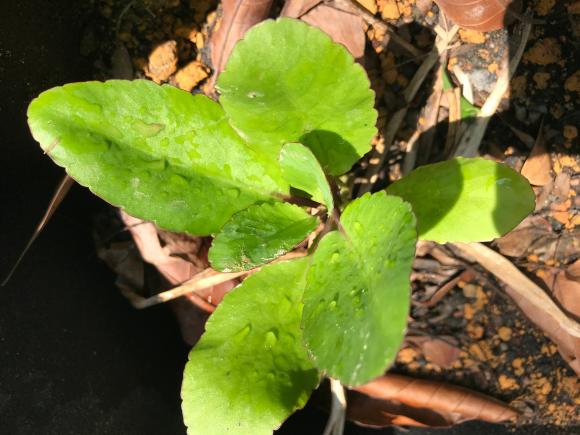
The arrangement and appearance of vegetation is somewhat wilder and more natural, creating more space for wildlife. There is a variety of native ginger plants e.g. torch ginger (Etlingera elatior), temu kunci (Boesenbergia pandurata), temu hitam (Curcuma aeruginosa), setawar (Costus speciosus) etc., wild bananas, ground covers such as kaduk (Piper sarmentosum) and pegaga (Centella asiatica). Adjacent to the dry pond, there are plants growing in wetlands such as taro (Colocasia esculenta), mexican sword (Echinodorus palaefolius) and kangkung (Ipomoea aquatica).
Flowering plants
There are flowering plants that attract pollinators such as bamboo orchid (Arundina graminifolia), ulam raja (Cosmos caudatus), globe amaranth (Gomphrena globosa) and rose periwinkle (Catharanthus roseus).
Mini nursery
A mini nursery that houses young plants before they are transferred to other parts of the garden.
The Orang Asal-themed garden showcases plants used by the indigenous communities in Malaysia. This part of the garden demonstrates how the right plants in the right places can improve biodiversity.
THE BIGGEST CHALLENGE
The area used to be chronically flooded with water especially during the rainy season. This was due to clay soils and the lack of a drainage system. Our first and biggest challenge is to improve the drainage system. In order to direct excess water out, we dug trenches and filled it with granite chippings. These drains allow rainwater to flow towards the main drain outside the garden. After installing the drainage system, the land became more resistant to flooding and thus more viable for planting.
THE PLANT SELECTION
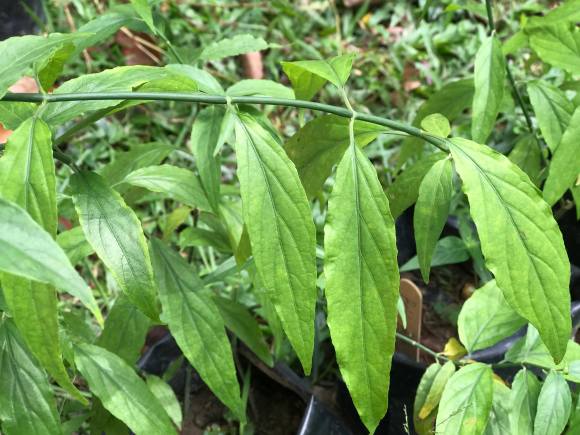
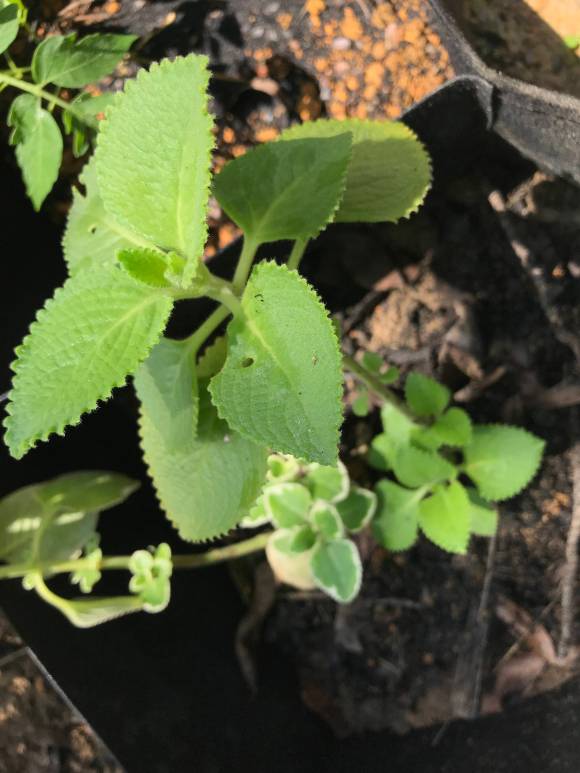
Plants were selected for cultural significance to Orang Asal communities. These plants are beneficial for both animals and humans. Many of these plants are perennial herbs and vegetables that are easily grown and sustainably harvested over time E.g. belalai gajah (Clinacanthus nutans), pegaga and selom. These plants bear flowers that attract pollinators such as bees and butterflies while creating complex structures that serve as places for animals to hide and live in.
The selection of plants is partly adapted from Syarifah Nadhirah’s book Recalling Forgotten Tastes. These plants are commonly used as food ingredients or medicinals by indigenous peoples in Malaysia.
Recalling Forgotten Tastes : Of Illustrated Edible Plants, Food and Memories Image credit to Syarifah Nadirah
Among the selected plants, jelai (Coix lacryma-jobi) is a highlight as it represents traditional crafting culture. Other plants include dyes and weaving materials.
Jelai (Coix lacryma-jobi)
Jelai seeds are used by the indigenous community as beads to make crafts
Microhabitats
Nestled within the garden, Microhabitats provides food and shelter for small animals. Some examples of microhabitats are such as wildflower patches, flowering border plants, coconut husks on the ground, log pile and container ponds.
Wildflower patches
Nestled within the garden, Microhabitats provides food and shelter for small animals. Some examples of microhabitats are such as wildflower patches, flowering border plants, coconut husks on the ground, log pile and container ponds.
Pollinator flower garden
The front part of the garden comprises colourful ornamental flowers that are commonly seen in local gardens. This corresponds to typical nusantara garden design, in which the front garden is usually decorated with attractive flowering plants.
BIG CMIS stands for Biodiversity Indigenous Garden at the Center for Malaysian Indigenous Studies. The garden acts as a model to test the concept of creating microhabitats to promote biodiversity in urban spaces, and to serve as a communication and educational platform for local indigenous groups to engage with the campus community of University of Malaya (UM) and the general public.
OBJECTIVES
(1) To enhance local biodiversity by creating microhabitats for urban wildlife
(2) To explore connections between indigenous culture and biodiversity
(3) To demonstrate sustainable and/or environmental-friendly practices e.g. composting, mulching, rain gardens, drainage system etc.
BACKGROUND OF BIG CMIS
The garden is a 30m x 40m compound. It used to be dominated by patches of senduduk (Melastoma malabathricum) plants. The front part of the garden is exposed to sunlight, while most of the remaining parts are shaded by roadside trees. The middle part of the garden is swampy and waterlogged especially when it rains.
The existing flowering vegetation attracted a number of pollinators to the garden. Insects e.g. ants, beetles, bees and butterflies are frequent visitors of the garden. If the weather is humid enough, we can see snails, frogs or toads come out for food. Soil-dwelling animals e.g. earthworms, centipedes and termites are usually less visible unless we purposely look for them. Some common birds such as Javan myna and Yellow-vented bulbul occasionally drop by to hunt for these animals as food.
A major challenge of this project is to balance between increasing biodiversity by enhancing the existing habitat while maintaining a space that is visually attractive and acceptable to the stakeholders. We did this by pushing for a Microhabitat concept of creating small habitats for wildlife within cultivated and culturally important plants.There are two main parts in BIG CMIS which are the Orang Asal-themed garden and the Reforestation Contemplative garden. The OA-themed garden portrays a typical urban garden layout with plenty of vegetables and herbs used by the indigenous communities. Visually, we intend the reforestation contemplative garden to have a wilder, forest-like design as compared to the OA-themed garden. This part of the garden highlights how issues of deforestation affects Orang Asal communities, and how reforestation and relooking our relationship with nature and wildness can help us to regenerate land.
From sowing seeds to pulling weeds, gardening is extremely beneficial to our health and wellbeing. As gardening is an everyday activity, this unique form of regular exercise helps keep us fit and healthy. Moreover, research shows that getting your hands dirty in the garden can increase your serotonin levels. To simply put it, soil contains a natural antidepressant that can make us happy. Undoubtedly, gardening can bring joy and fulfilment to your life.
Before you spring into action, you must first ensure your garden bed is healthy or in other words, fertile.
Soil is the foundation of your garden as it stores and provides essential nutrients, water and air to support plant growth.
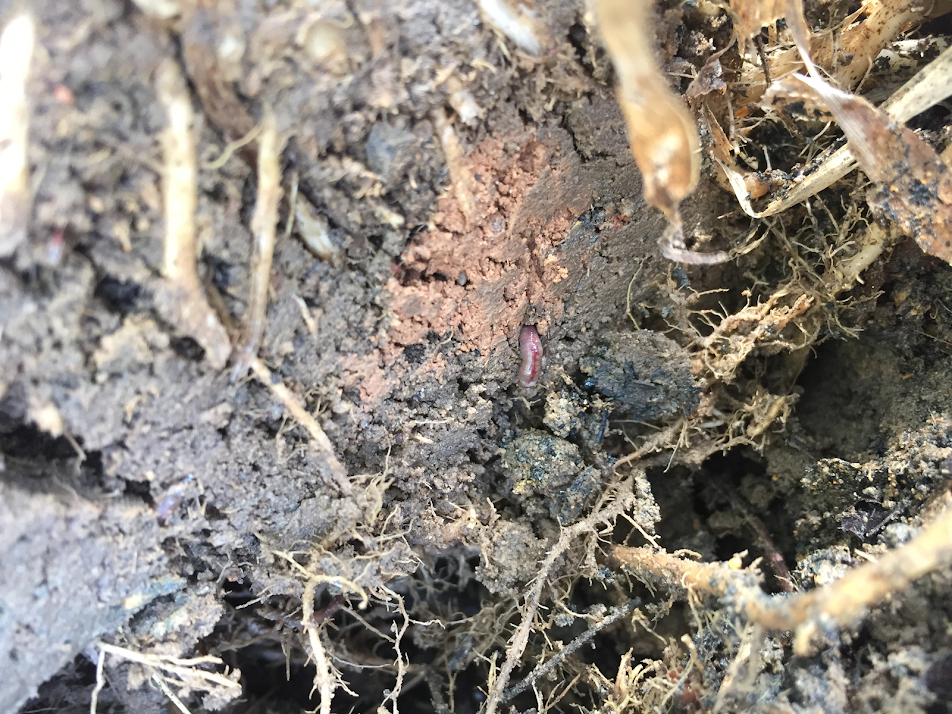
Thus, planting in a garden with infertile soil would result in disappointment, putting your efforts in vain as soil of low quality is incapable of sustaining plant growth. An easy sign to look out for in identifying healthy soil is the presence of underground animal activity, specifically earthworms. The presence of these little creatures indicate a healthy soil system. Additionally, soil that is rich in organic matter tends to be dark brown or black in colour. However, if the soil that you are working with has little to no life in it and looks more like dirt, fret not! Here are some tips on how to make fertile soil.
Earthworm is an ecosystem engineer which modifies soil structure
Before making fertile soil, we must first understand what makes an ideal rooting environment. Roots are described as the lifeline of a plant, not only do they anchor the plant in place, resisting the forces of nature and other environmental stresses, they too play an important role in the uptake of nutrients. With that being said, soil requires a balanced combination of water, air and nutrients to become a rich growing environment. Soils of high quality would promote the growth of a strong root structure, keeping the plant above nice and sturdy.
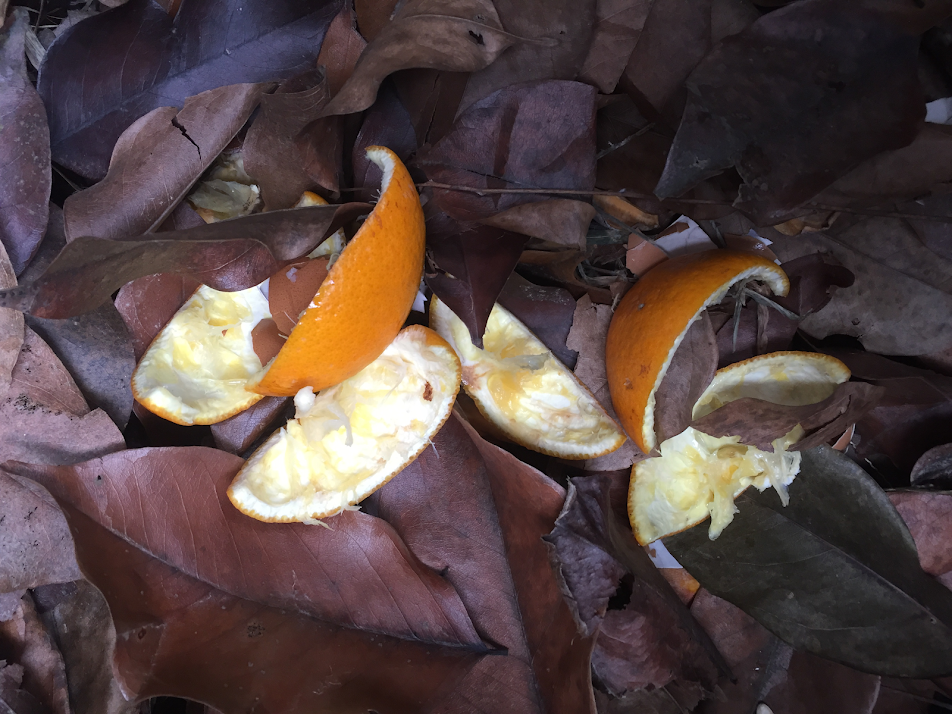
First off, add 2 to 3 inches of compost to the top 6 inches of the soil. Compost, sometimes referred to as “black gold” by gardeners, is decomposed organic material containing basic nutrients needed by plants for growth. Some examples of compostable material include leaves, grass clippings, and even plant-based food scraps such as fruit and vegetable peelings, coffee grounds and bread. The addition of compost also keeps the soil at a light and fluffy texture, helping it retains its moisture.
Maintaining the right consistency of soil is a critical part of your gardening success. Avoid compacting soil with heavy equipment as well as stepping directly in the growing beds. If your soil is compacted, it would be difficult for water and air to move freely through the pore spaces to the roots. On the other hand, if your soil is too loose, it cannot hold water, ultimately drying out your plants. By adding compost to your soil, not only does it adds organic matter, it too helps maintain the ideal soil consistency.
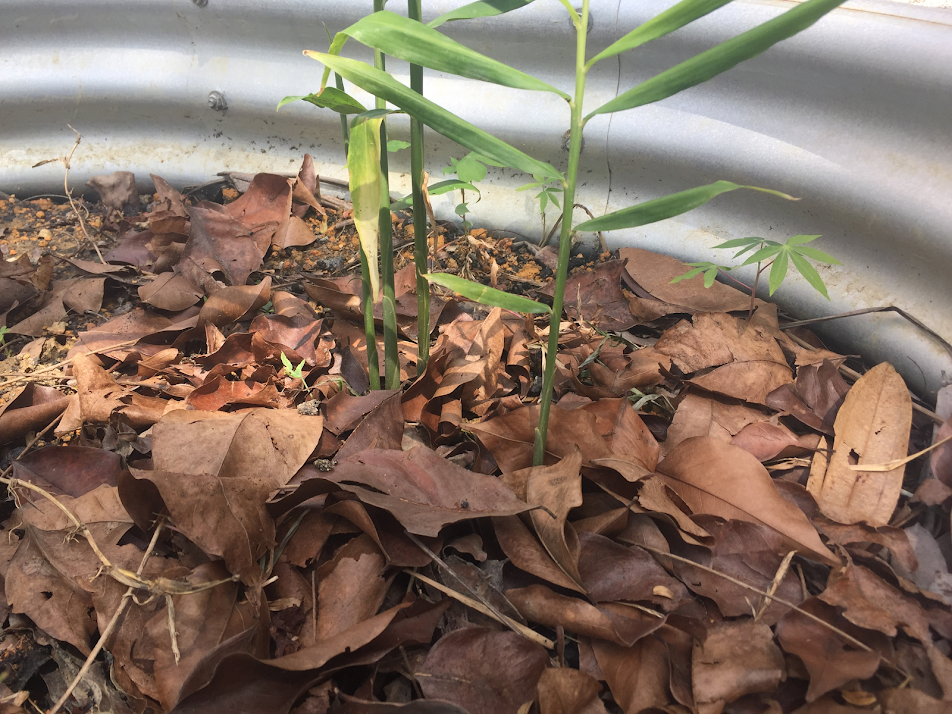
Final tip in making fertile soil is to mulch your garden. Mulching is the process of covering the open surface of the ground using mulch, for example – shredded bark, animal manure, stones, etc. Mulches can either be organic or inorganic. The mulch applied on the top layer of the soil helps retain moisture in soil by trapping surface water of the soil that would otherwise get evaporated quickly. Furthermore, weeds are also suppressed in the process as the mulch blocks and prevents sunlight from reaching them, minimising competition with the plant. If organic mulch such as decaying leaves or bark are used, your soil would be further enriched with nutrients and organic matter, boosting its fertility.
Mulch helps to retain moisture and regulate soil temperature
Starting your own garden may seem like an immense responsibility. However, once the flowers blossom and produce ready to harvest, it will be truly rewarding not only for you but for our planet.



















 Urban Biodiversity Initiative (UBI)