Some fruits that often appear on our dining tables are commonly found in our home gardens. These fruit trees bear edible fruits and provide shade for people. Actually, common fruit trees are beneficial to environment as well.
Animals use different parts of the trees to feed, rest and lay eggs. Some fruit trees such as Limau Kasturi (Citrus × microcarpa) and Rambutan (Nephelium lappaceum L.) provide food for caterpillars of various butterflies and moths. Fruit-eating animals like to visit fruit trees such as Mango (Mangifera indica), Papaya (Carica papaya L.) and Cempedak (Artocarpus integer).
A papaya tree
Aside from animals, common fruit trees also create suitable growing conditions for other plants. Some large, densely crowned trees allow saplings and shade-loving plants to grow underneath. Deep-rooted plants like Nangka (Artocarpus heterophyllus Lam.) help to maintain soil structure.
Many common fruit trees are native to Malaysia. They grow naturally in the forest. For example, the wild bananas (Musa spp.) are relatives of domesticated bananas. Their fruits are less edible to humans. However, these wild species are important genetic resources as they can contribute beneficial traits e.g. pest or disease resistance for improving production of cultivated bananas.
A wild banana plant with blossom and fruit cluster
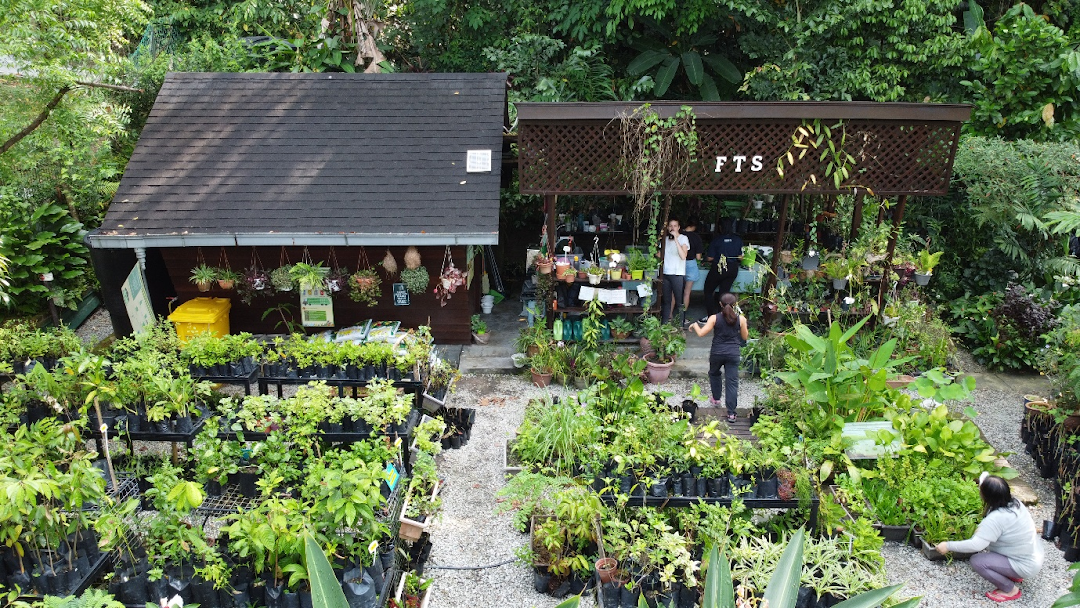
Free Tree Society Kuala Lumpur is a non-profit environmental organisation that spreads environmental stewardship messages through giving away trees for free. Its flagship nursery is located in cosmopolitan Bangsar amidst the backdrop of a former rubber estate, now the Pulai Trail and the last of the area’s green lungs. This nursery is a place for conducting gardening activities, classes, workshops, meetings and so on. It houses about 5000 plants for giving away, and is a perfect place to learn about plants, animals, sustainable gardening and natural environment.
A bird’s eye view of Free Tree Society Bangsar Nursery
Existing wildlife
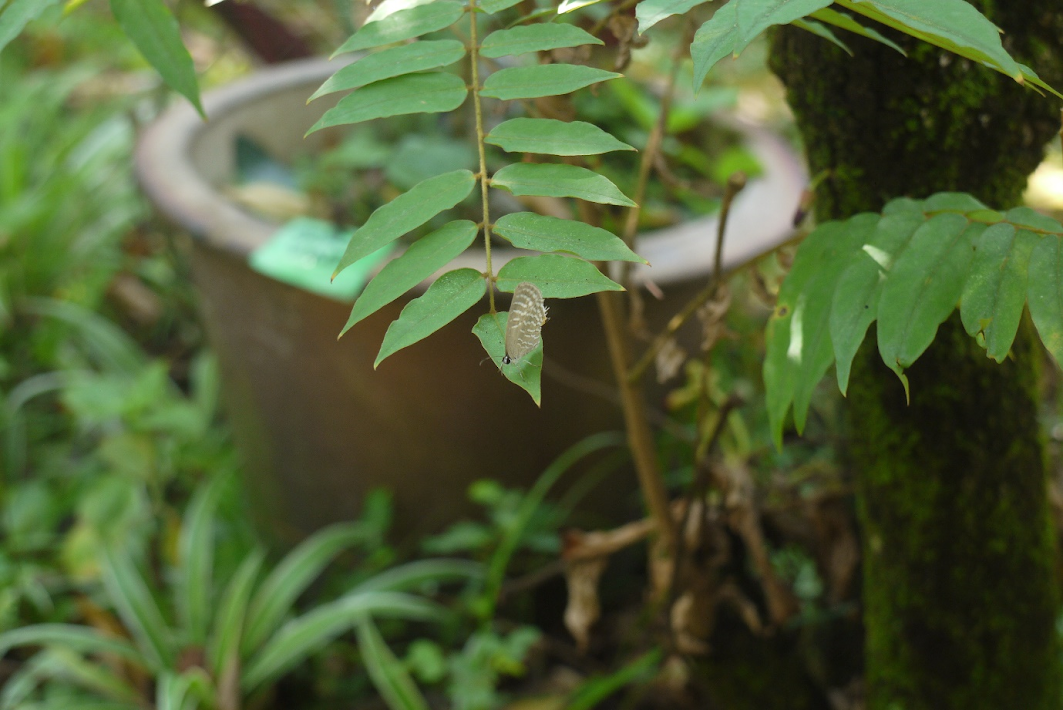
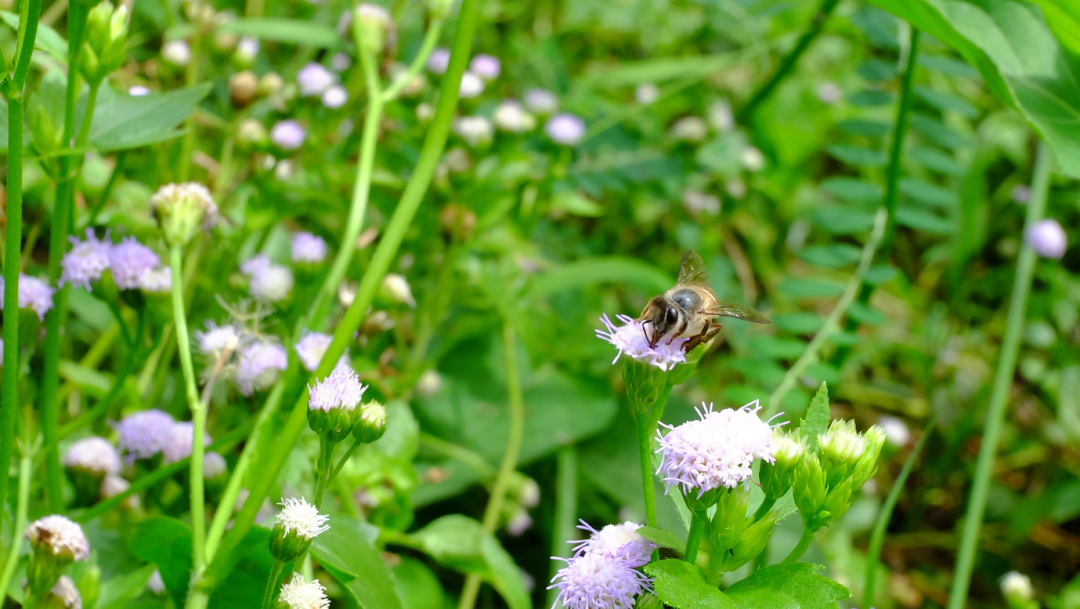
There are a number of wild animals that can be found at the nursery. A wide array of insects is observed: stingless bees, honey bees, butterflies, moths, dragonflies, damselflies, beetles etc. Some larger animals visit the nursery as well. For example, spiders, four-lined tree frog, common toad, monitor lizard, bronzeback snake, green pigeon and squirrels.
A butterfly is resting on the leaf of a plant in the nursery
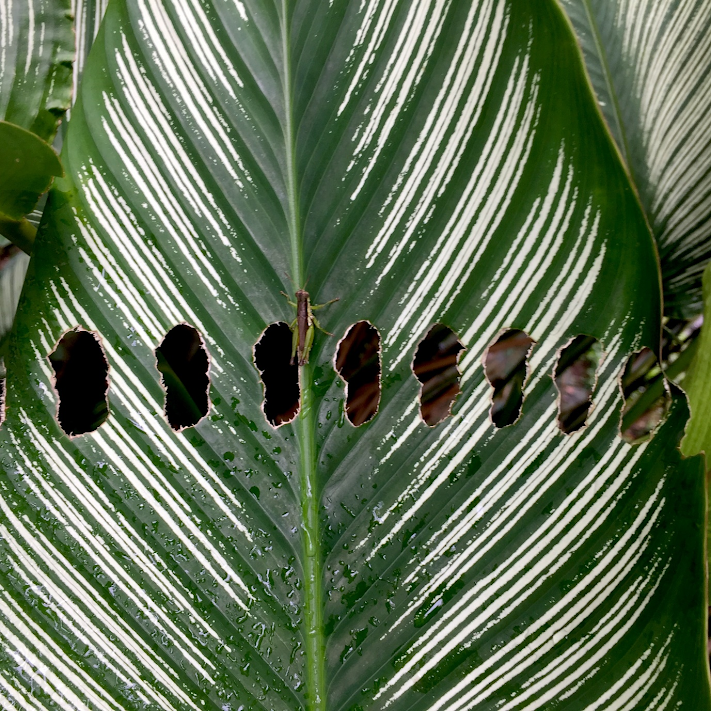
A leaf-eating grasshopper on the big leaf of a Calathea plant
Key elements of attracting wild animals
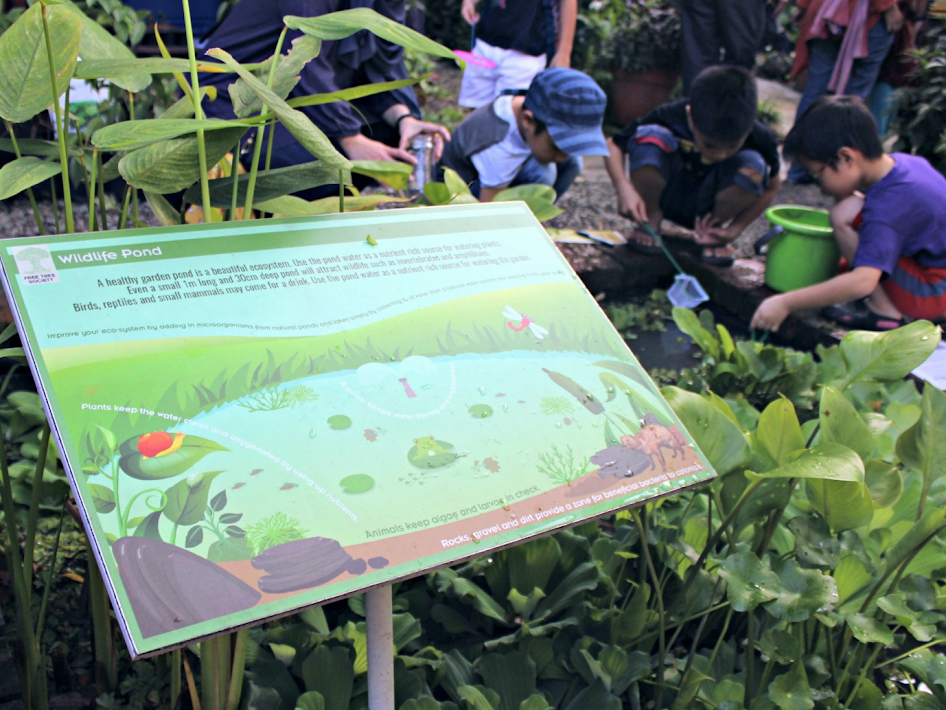
Animals need food, shelter and water to survive. All these resources are available at the nursery. The garden is full of plants and remains some degree of wilderness. The fruits and flowers are reserved for the animals. Leaf piles or rocks of different shapes, overturned flower pots and rotting wood provide shelter for animals to lay eggs or hide themselves. These garden visitors can quench their thirst at the wildlife pond next to the entrance of the nursery. There is no use of chemical at the nursery so that the animals can live freely and safely.
The wildlife pond is home for many aquatic animals
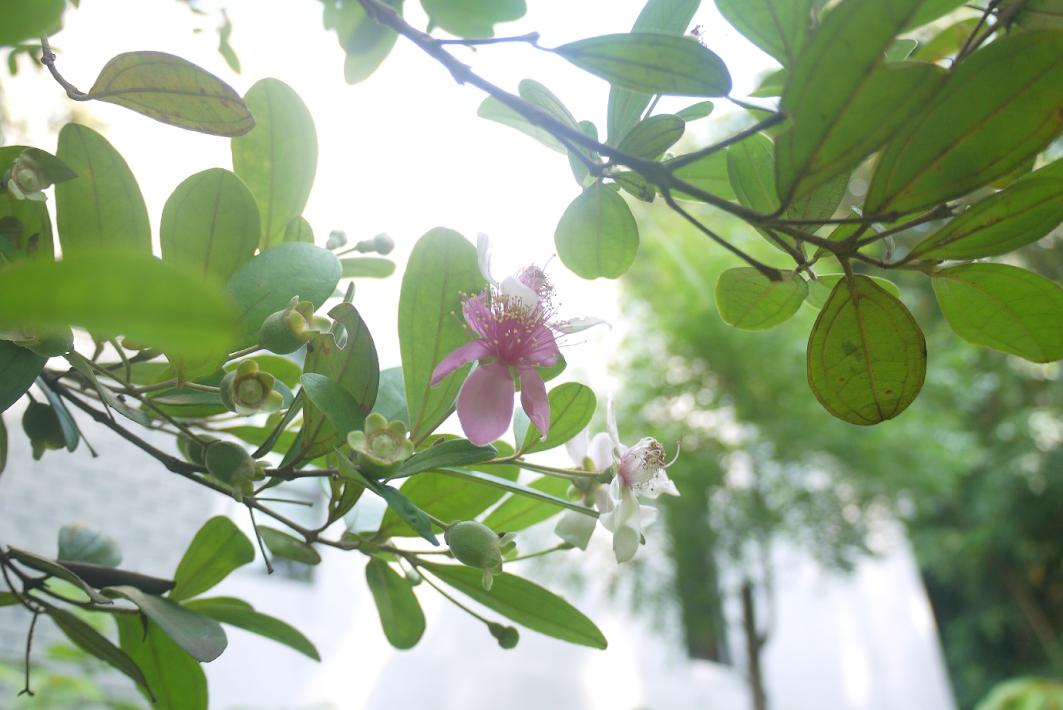
Flowers of Kemunting (Rhodomyrtus tomentosa) plant
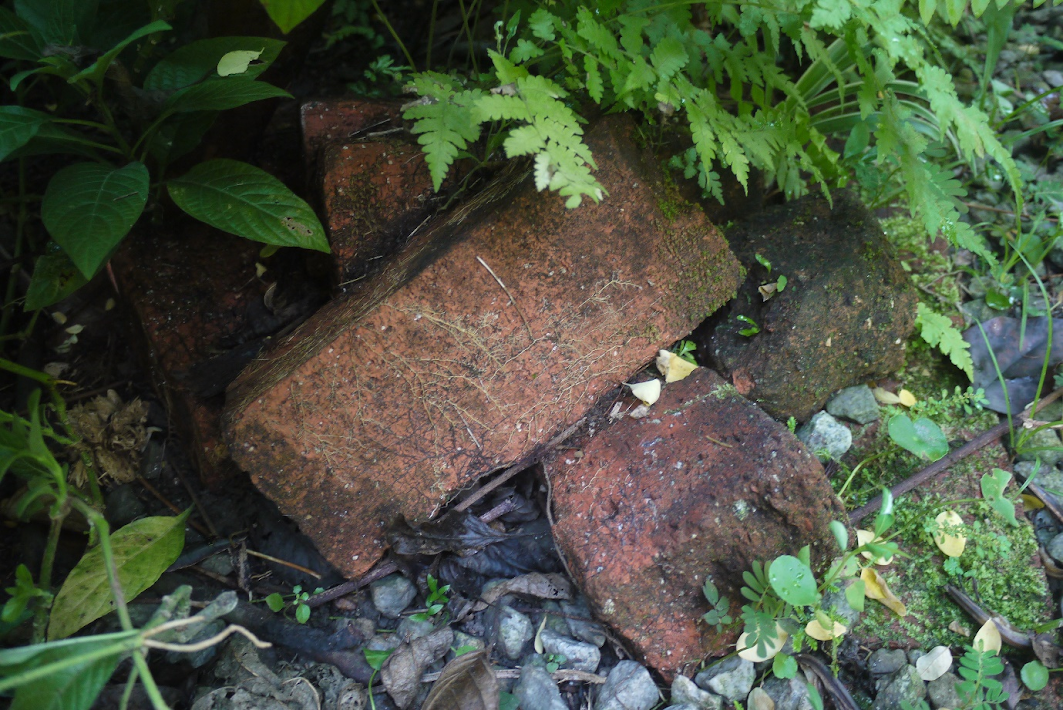
These bricks are placed under plants to provide shelter for small animals
The nursery is a good example of pollinator gardening, as there are many types of pollinators in the garden. From all sorts of insects to birds and mammals e.g. bats, these pollinators enjoy savouring nectar and pollen of flowers in the nursery. Some examples of nectar-providing plants at the nursery are Costus speciosus, Antigonon leptopus, Heliconia sp., Begonia sp., Murraya sp., Alpinia sp. and different varieties of orchid. It is also important to have some host plants in the garden so that the juveniles of moths and butterflies get enough food.
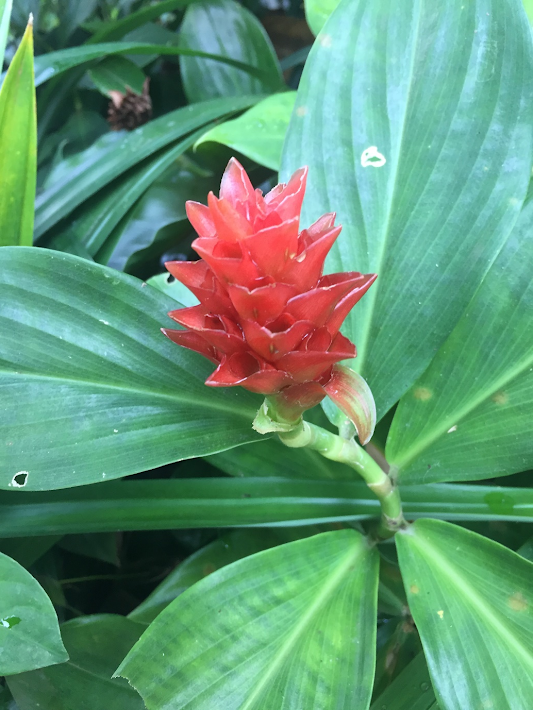
Flowering shoot of a spiral ginger (Costusspeciosus)
Figs and palms are very useful plants as they provide food for a variety of animals in the city. Some of the common palm trees such as coconut tree (Cocos nucifera) and lipstick palm (Cyrtostachys renda) bear nectar-rich flowers and edible fruits. Both the flowers and fruits are important food source for birds and other pollinators or fruit-eating animals. Local fig plants such as weeping fig (Ficus benjamina) also provide food for insects and birds.
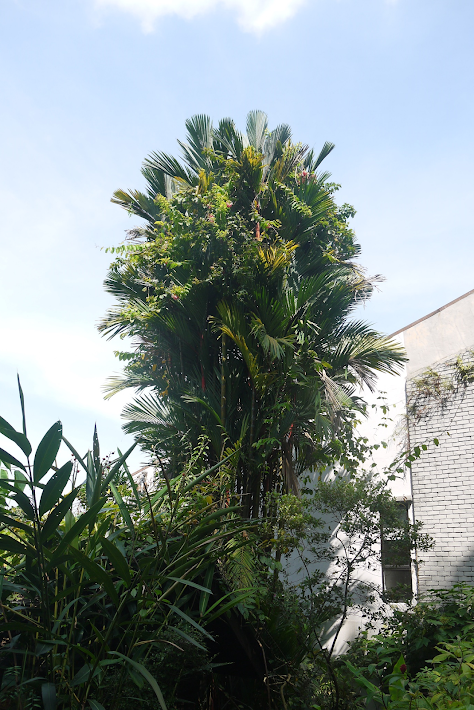
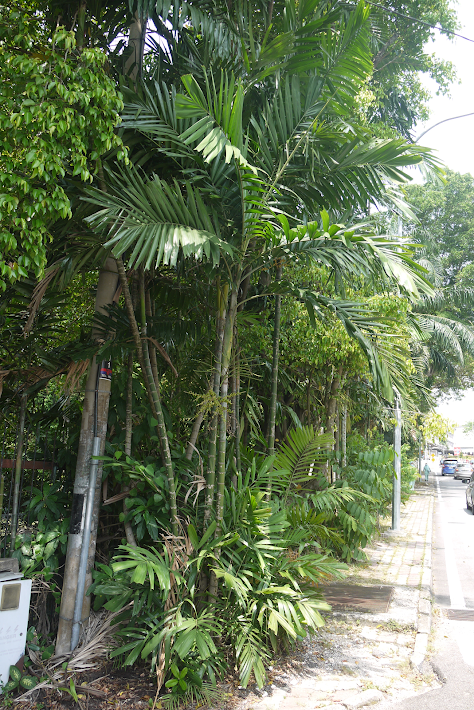
A clump of lipstick palms (Cyrtostachys renda) in the middle of nursery
Sustaining and establishing biodiversity in small urban gardens
No garden is too small. We can add greenery to our cities by growing plants at our own houses. There are many types of green spaces in the city. However, the most common one is the balcony garden, which is often exposed to direct sunlight and strong wind. We can overcome these limitations by having some big, bushy plants. These plants provide shade for other smaller plants. They also act as natural windbreaks to protect other plants from high winds. We need to understand the conditions of our garden. Then, we can try to create suitable microclimates by growing plants that can survive under such conditions.
Tall, shrubby plants provide shade for other shade-loving plants.
To keep the plants healthy, practice composting and feed the plants with sufficient nutrients so that they are resistant to pests and diseases. We can regulate the nutrient inputs by adding different materials to the compost. For example, egg shells are rich in calcium while banana peels supply both organic materials and minerals such as sodium and magnesium. Although often being overlooked, soil health is an important factor that determines the success of an urban garden. We can start establishing soil biodiversity by introducing earthworms. They are good at improving soil structure and fertility.
Like figs, palms produce fruit several times throughout a year. In between the fruiting seasons of other trees, palms make up a large portion of the diet of many urban fruit eating animals, especially birds.
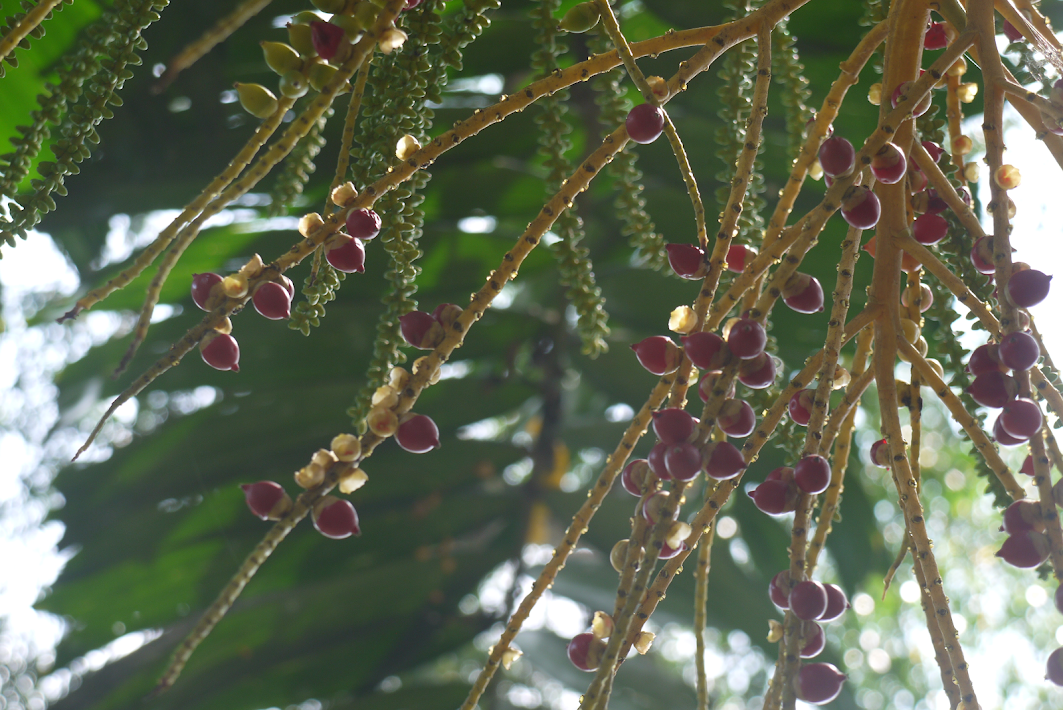
Many palm fruit are adapted to be eaten by birds, these are usually small in size, round and dark blue black to red in colour. The seeds of these palms are often spread by the birds that feed on them, making them very common in wild patches all over the city.
Red fruits of Alexander Palm (Archontophoenix alexandrae)
Even invasive palms such as oil palm can have ecosystem function for bird and mammal life. Fruiting trees are often visited by starlings, green pigeons, tree shrews and squirrels.
Palm flowers are also beneficial to many pollinators. These flowers grow in large pollen-rich clusters that often attract pollen feeders such as stingless bees. Coconut palms are often grown near stingless bee farms because of the food that they supply to the bee colonies.
These features make palms a keystone species in supporting wildlife in urban environments. Fortunately, many palms are grown as ornamental plants, and in many wild patches throughout the city they are sown by birds and make up large portion of our urban forests.
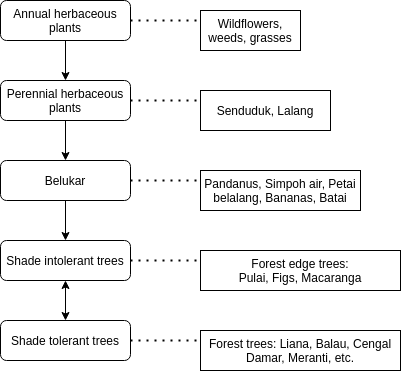
The succession pattern of tropical lowland forests. Adapted from Miyawaki (1991)
Succession is the process in which the plant community changes over time. A forest goes through several stages where different plants become established and in turn change the environment of the forest. Note that this isn’t straightforward process, each stage can have many different species of plants and a very high number of possible combinations of species. Sometimes it can even move in reverse due to disease, fire or human disturbance. However, understanding the succession process can help in choosing the planting strategies.
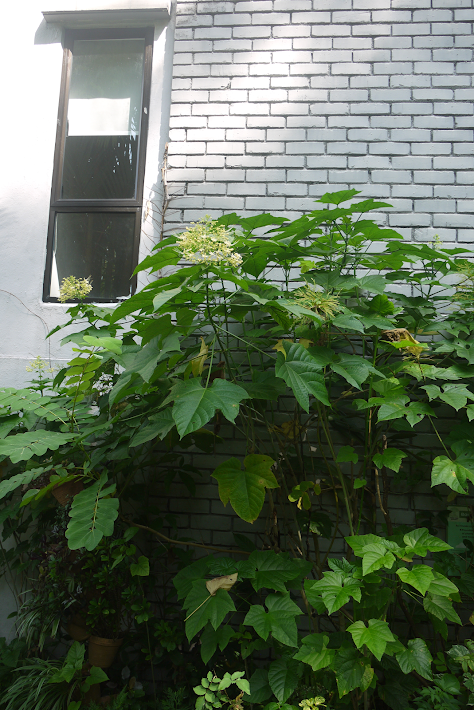
Fig 2: Early succession annual herb dominated community
From bare ground, small herbs and shrubs are the first to establish themselves. These plants help to build up organic material in the soil and change the soil from a bacterial dominated community to a fungal one. Shade intolerant trees and plants that can survive in areas with high heat and unstable microclimates begin to take over in the following stage of succession. Once these trees become large enough to produce shady environments, forest species start to establish themselves.
Fig 4: Young shade-intolerant trees.
Old agricultural trees like rubber can create shade and allow shade tolerant forest trees to grow. This allows some of these areas to skip the shrubby community and shade intolerant stages of succession, but generally these agroforests have less diversity than natural forests due to isolation (native tree seeds cannot reach these forests) and competition from the existing population of agricultural trees. Replanting these areas with forest trees may help to restore the plant diversity while taking advantage of the more stable shaded environments created by existing trees.
Tropical animals are usually adapted to take advantage of 3-dimensional space.
Spatial complexity is a big word, but in simple terms you could imagine it as the difference between a landed house and a condominium. If only one level is occupied like in the house, you get less room to live compared to if you build upwards and have multiple floors.
Like a multi-storey building, spatial complexity means that space can be used more efficiently by living in higher structures. Higher spatial complexity also means higher resource density for animals using the area. Some animals use only one layer of the forest, while others can move through the layers depending on time of day.
Much of the activity of the forest can happen beyond the reach of humans at the upper levels of the canopy. Combined with dense understory layers, many animals are able to hide from humans, giving them room to carry on with their lives without having to encroach on humans.
How is spatial complexity accomplished? The easiest way is to mimic the natural rain forest and plant in layers, so that all the space from the soil all the way to the tree tops have space for animals to use.
With land being scarce in cities, we have to think about how to use what we have more efficiently. Increasing the amount of vertical space available is one way to do so.
To be fair, here is why you should plant introduced plants, or rather when it is appropriate to plant introduced species.
Often they are tough and easier to handle. Many commercial species are chosen because they are tough enough to be bred for hostile environments like cities. In some places native species might not be able to survive, but introduced plants can do fine.
They have useful ecological functions. Just because a plant is not native doesn’t mean that wildlife can’t use it. Flowers will attract pollinators whether they are native or introduced. Oil palm is an introduced species, but often it supports fruit eating birds and mammals in the city.
Easier to obtain. Many introduced species can be bought from nurseries, which is easier than looking for native plants which may be in forests and hard to identify. If you need plants fast, then it may be a feasible option.
Setawar air (Costus speciosus). Photo by Syuhada Sapno.
Why should you go through the effort of planting native plants? It’s a good question that many people ask. Here’s 4 reasons:
There is a higher diversity of native plants. Often these plants are able to coexist with local wildlife and integrated into the food chains and interactions of native wildlife.
Native plants create more stable food chains. Many native plants can function as food or host plants for wildlife. This creates more stable and resilient food chains.
More possibility. There is a larger variety of native plants, which means that these plants hold more possibility in terms of what habitats they can create in the future. They also hold in them many potential cures or useful compounds to humans in the future. To lose native plants is an act of destroying the biological legacy of future generations.
This is their home. Where else do our native plants have to go if we remove them completely? It’s beyond cruel to destroy entire species and take their land from them.
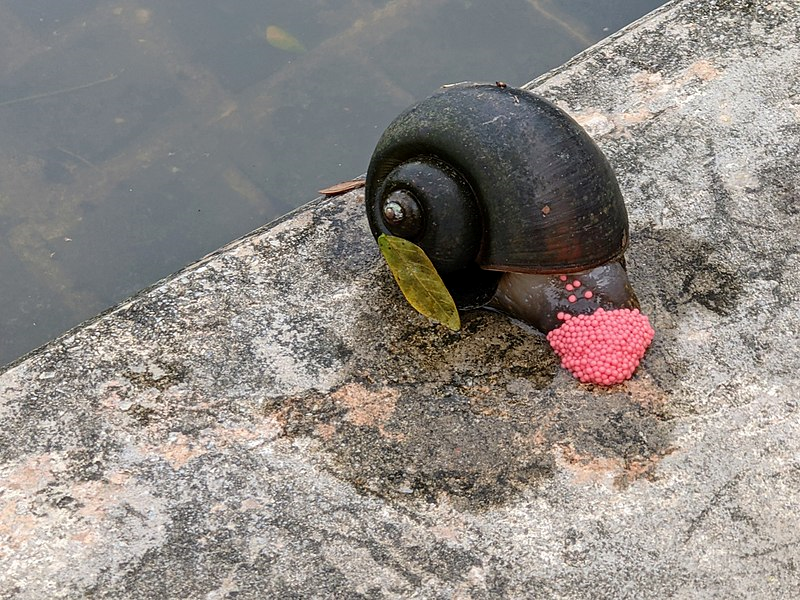
A golden apple snail (Pomacea maculata) is laying eggs. Photo by Jpatokal (CC BY-SA 4.0)
An invasive species is a species that has been introduced by people and has gone somewhat out of control. These species come from other parts of the world, like South America or Africa.
Some invasive species are introduced by accident. For example, brown rats (Rattus norvegicus) were introduced through shipping. During the 70’s they were mostly confined to ports, but rapid urbanisation has allowed them to colonise the rest of the Klang Valley and Malaysia as well.
Brown rats are larger than black rats, when older people comment that rats are growing larger they are just observing a larger rat species colonising more urban areas.
Other invasive species are brought in for a purpose and then something goes wrong and it unexpectedly becomes uncontrollable. Black cobras were introduced as a way to control rats in plantations, but they started to follow humans and rats into urban spaces as well and are now one of the most common poisonous snakes in cities.
Some invasive species are escapees from various projects that people do. Many animals escape from the aquarium trade into our waterways and become dangerous to our native wildlife. Others like the Giant African land snail were brought for experimental food programs during World War II and escaped into farm pests.
Not all introduced species are bad. Species like pineapple and papaya are relatively benign and have become staples of our village gardens. But often the line between invasive and introduced is vague.
Written by Thary Gazi Goh Photos by Goh Shang Ming
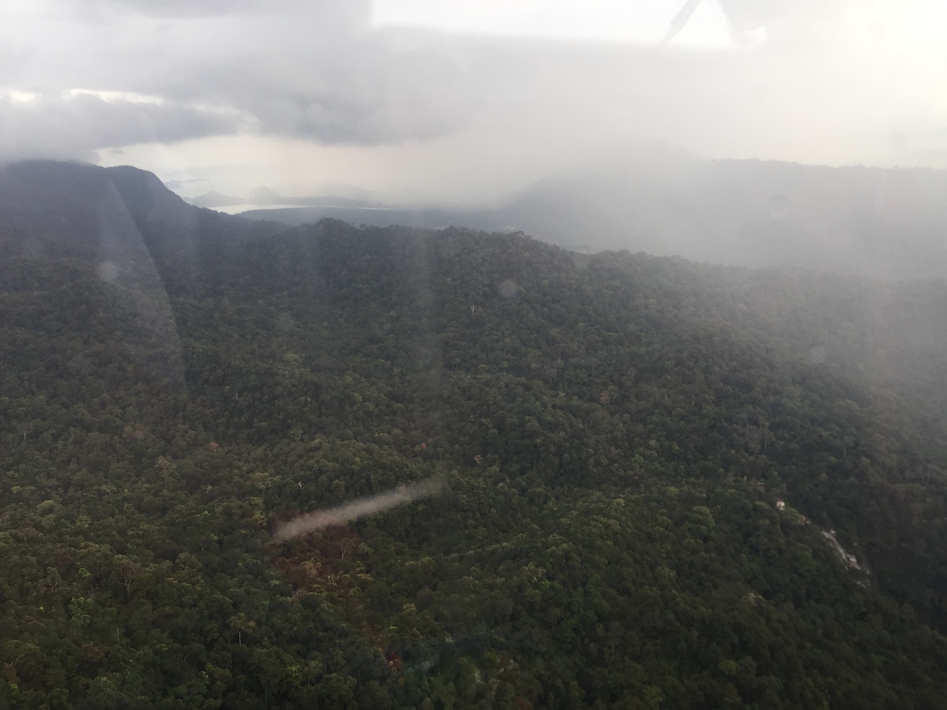
A carpet of dense, untouched forest
Ever wonder why it is called a rain forest? Rain forests are important controllers of the water cycle in tropical ecosystems.
Rain forests do 2 important functions with water:
They control the intensity of water. This means that they control how much rain flows into rivers and floodplains. The root systems or rain forests allow water to pass into the soil instead of washing out as surface run off.
They make rain. Rain forests can control how regular the rainfall is, in essence a rain forest produces its own rain. The tall trees of the rain forest take water from their roots and releases it from its leaves, often more than 30m off the ground.
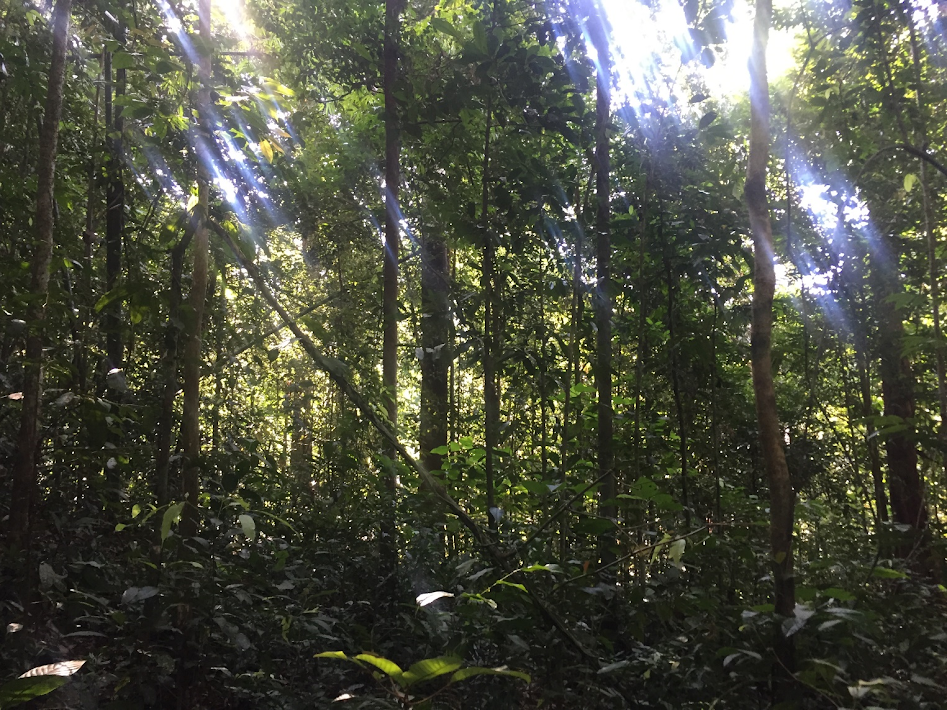
Trees are closely arranged in a rain forest
These rise as fog and mist into clouds that come back down as rain. The rain forest is a living system. It can create more rain when it is too hot or put more water back into the air if there is too much in the ground.
You can actually observe this phenomenon near the forest patches in our cities, clouds of moisture can be seen rising from them, especially in early mornings and rainy days.
Rain forests are important infrastructure that carry out functions that make our lives more livable. We need rain forests to live stable lives.
If someone plans to cut down our power grid to harvest the copper and steel in it, we would think that they are an idiot. However, that is the kind of thinking that goes into our forest management. This is what happens when you view a utility as a single use resource.




 Urban Biodiversity Initiative (UBI)