This garden looks into challenges and issues faced by the indigenous peoples like land-clearing, logging activities, water problem etc. The aim is to get people to think about how environmental issues and indigenous people are interlinked, and how we can help to restore land. The garden demonstrates replanting, regenerating soil and the creation of new habitat for wildlife.
THE PLANT SELECTION
The selected plants increase the spatial complexity of the area. They provide different structures for biodiversity. Some of these plants have nitrogen-fixing properties and/or are used as cover crops to improve soil quality. Some less common fruit trees which are also beneficial to wildlife are planted here.
HIGHLIGHTS AND FEATURES
Microhabitats
There are different kinds of microhabitats that allow animals to feed and breed. For example, a rain garden that holds overflowing water, the container ponds that attract insects e.g. water skaters and dragonfly to lay eggs, and birdbaths that provide water for our feathered friends.
Ginger showcase garden & Wetland plants
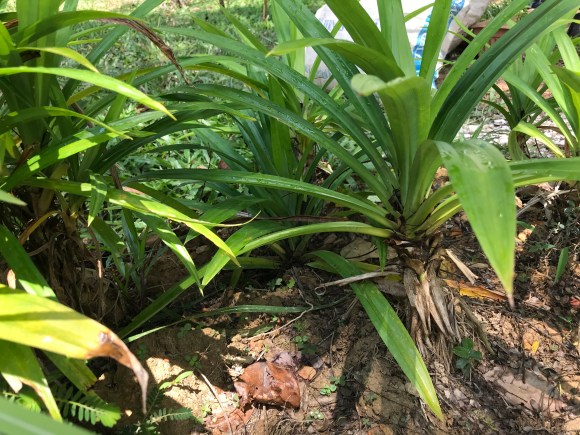
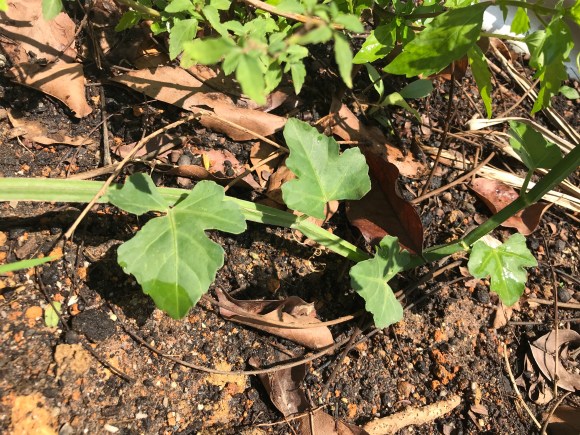
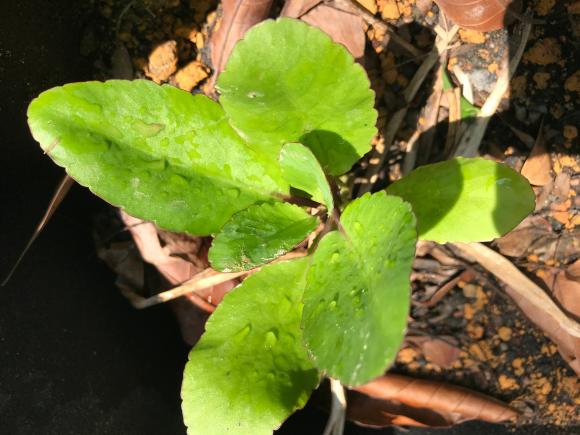
The arrangement and appearance of vegetation is somewhat wilder and more natural, creating more space for wildlife. There is a variety of native ginger plants e.g. torch ginger (Etlingera elatior), temu kunci (Boesenbergia pandurata), temu hitam (Curcuma aeruginosa), setawar (Costus speciosus) etc., wild bananas, ground covers such as kaduk (Piper sarmentosum) and pegaga (Centella asiatica). Adjacent to the dry pond, there are plants growing in wetlands such as taro (Colocasia esculenta), mexican sword (Echinodorus palaefolius) and kangkung (Ipomoea aquatica).
Flowering plants
There are flowering plants that attract pollinators such as bamboo orchid (Arundina graminifolia), ulam raja (Cosmos caudatus), globe amaranth (Gomphrena globosa) and rose periwinkle (Catharanthus roseus).
Mini nursery
A mini nursery that houses young plants before they are transferred to other parts of the garden.
The Orang Asal-themed garden showcases plants used by the indigenous communities in Malaysia. This part of the garden demonstrates how the right plants in the right places can improve biodiversity.
THE BIGGEST CHALLENGE
The area used to be chronically flooded with water especially during the rainy season. This was due to clay soils and the lack of a drainage system. Our first and biggest challenge is to improve the drainage system. In order to direct excess water out, we dug trenches and filled it with granite chippings. These drains allow rainwater to flow towards the main drain outside the garden. After installing the drainage system, the land became more resistant to flooding and thus more viable for planting.
THE PLANT SELECTION
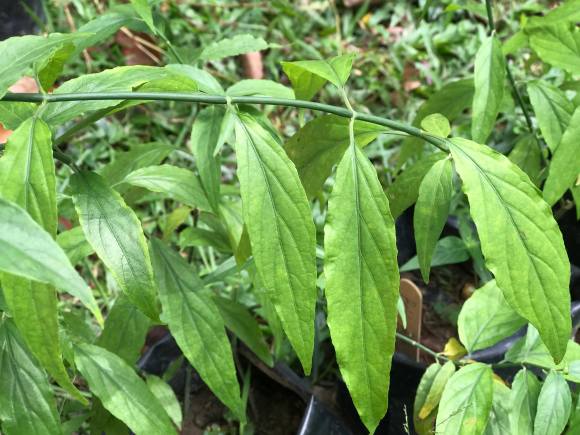
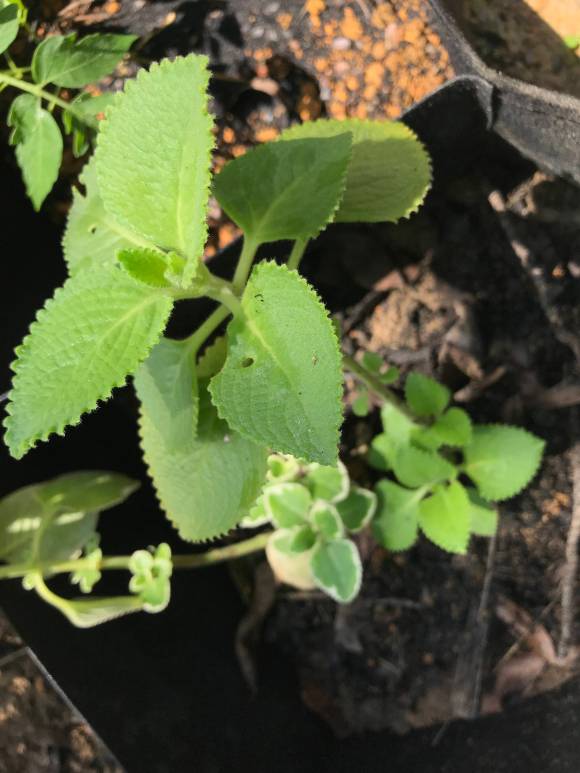
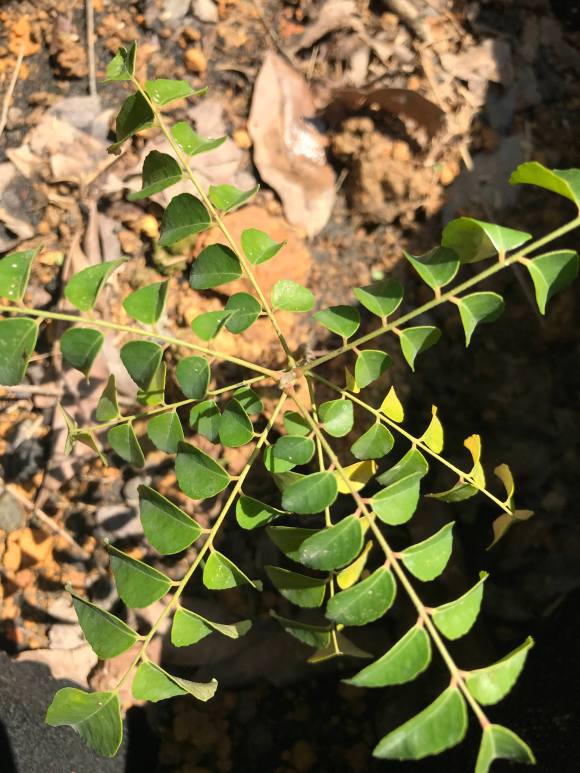
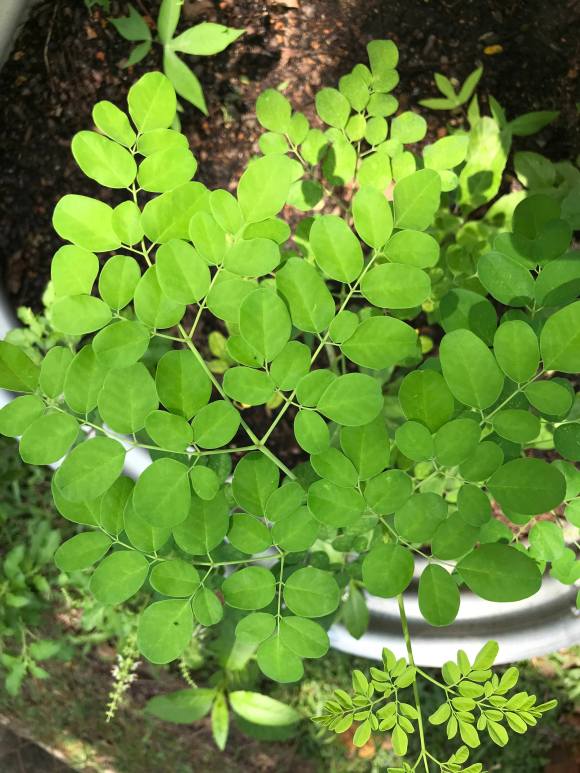
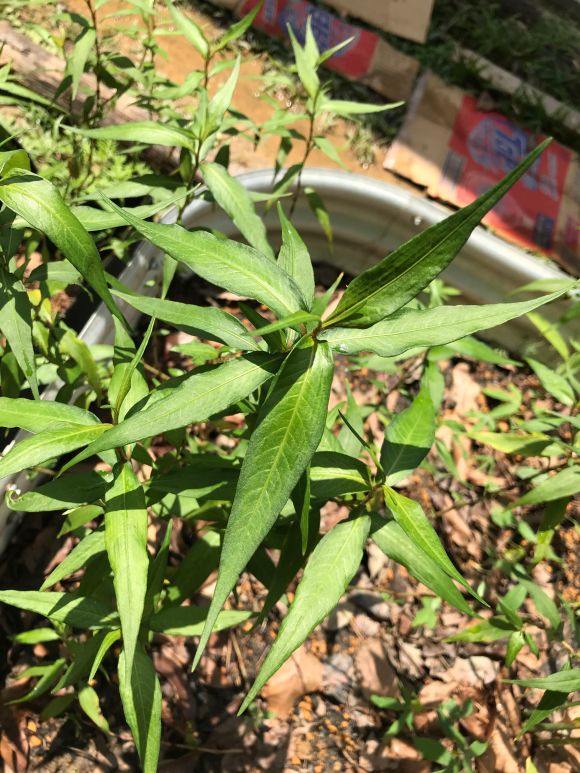
Plants were selected for cultural significance to Orang Asal communities. These plants are beneficial for both animals and humans. Many of these plants are perennial herbs and vegetables that are easily grown and sustainably harvested over time E.g. belalai gajah (Clinacanthus nutans), pegaga and selom. These plants bear flowers that attract pollinators such as bees and butterflies while creating complex structures that serve as places for animals to hide and live in.
The selection of plants is partly adapted from Syarifah Nadhirah’s book Recalling Forgotten Tastes. These plants are commonly used as food ingredients or medicinals by indigenous peoples in Malaysia.
Recalling Forgotten Tastes : Of Illustrated Edible Plants, Food and Memories Image credit to Syarifah Nadirah
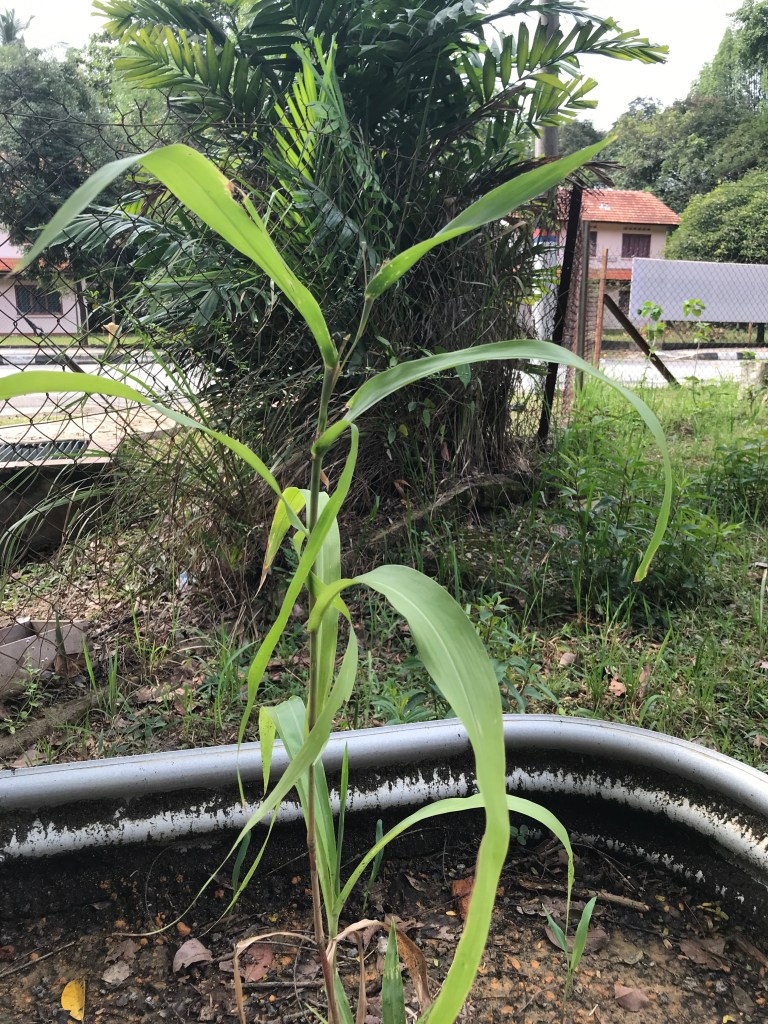
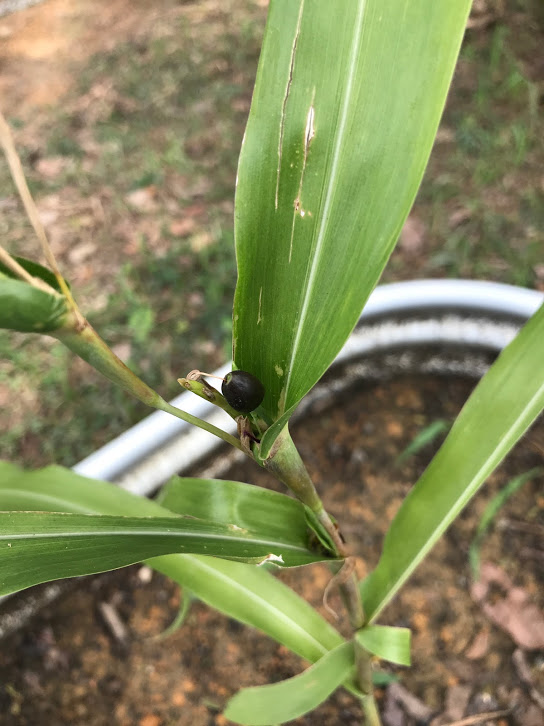
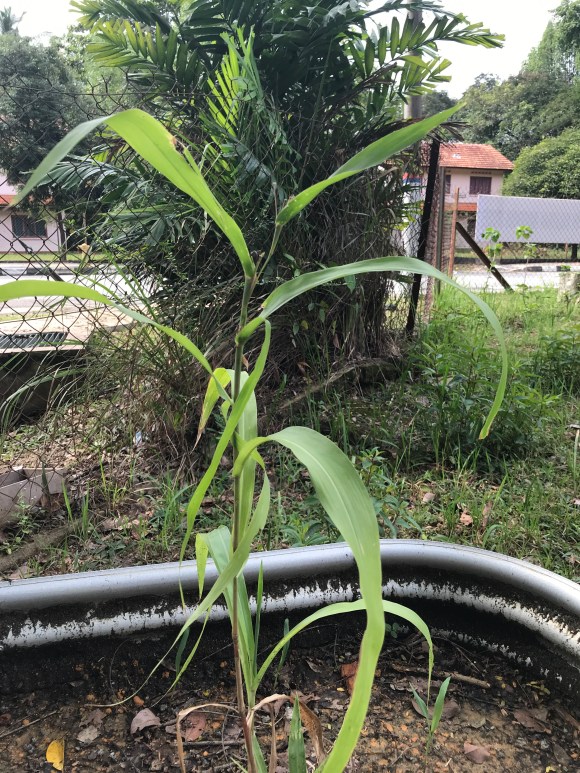
Among the selected plants, jelai (Coix lacryma-jobi) is a highlight as it represents traditional crafting culture. Other plants include dyes and weaving materials.
Jelai (Coix lacryma-jobi)
Jelai seeds are used by the indigenous community as beads to make crafts
Microhabitats
Nestled within the garden, Microhabitats provides food and shelter for small animals. Some examples of microhabitats are such as wildflower patches, flowering border plants, coconut husks on the ground, log pile and container ponds.
Wildflower patches
Nestled within the garden, Microhabitats provides food and shelter for small animals. Some examples of microhabitats are such as wildflower patches, flowering border plants, coconut husks on the ground, log pile and container ponds.
Pollinator flower garden
The front part of the garden comprises colourful ornamental flowers that are commonly seen in local gardens. This corresponds to typical nusantara garden design, in which the front garden is usually decorated with attractive flowering plants.
BIG CMIS stands for Biodiversity Indigenous Garden at the Center for Malaysian Indigenous Studies. The garden acts as a model to test the concept of creating microhabitats to promote biodiversity in urban spaces, and to serve as a communication and educational platform for local indigenous groups to engage with the campus community of University of Malaya (UM) and the general public.
OBJECTIVES
(1) To enhance local biodiversity by creating microhabitats for urban wildlife
(2) To explore connections between indigenous culture and biodiversity
(3) To demonstrate sustainable and/or environmental-friendly practices e.g. composting, mulching, rain gardens, drainage system etc.
BACKGROUND OF BIG CMIS
The garden is a 30m x 40m compound. It used to be dominated by patches of senduduk (Melastoma malabathricum) plants. The front part of the garden is exposed to sunlight, while most of the remaining parts are shaded by roadside trees. The middle part of the garden is swampy and waterlogged especially when it rains.
The existing flowering vegetation attracted a number of pollinators to the garden. Insects e.g. ants, beetles, bees and butterflies are frequent visitors of the garden. If the weather is humid enough, we can see snails, frogs or toads come out for food. Soil-dwelling animals e.g. earthworms, centipedes and termites are usually less visible unless we purposely look for them. Some common birds such as Javan myna and Yellow-vented bulbul occasionally drop by to hunt for these animals as food.
A major challenge of this project is to balance between increasing biodiversity by enhancing the existing habitat while maintaining a space that is visually attractive and acceptable to the stakeholders. We did this by pushing for a Microhabitat concept of creating small habitats for wildlife within cultivated and culturally important plants.There are two main parts in BIG CMIS which are the Orang Asal-themed garden and the Reforestation Contemplative garden. The OA-themed garden portrays a typical urban garden layout with plenty of vegetables and herbs used by the indigenous communities. Visually, we intend the reforestation contemplative garden to have a wilder, forest-like design as compared to the OA-themed garden. This part of the garden highlights how issues of deforestation affects Orang Asal communities, and how reforestation and relooking our relationship with nature and wildness can help us to regenerate land.
















 Urban Biodiversity Initiative (UBI)